Navigating the CPG Funding Landscape: Insights from Our Innovation Forum Panel
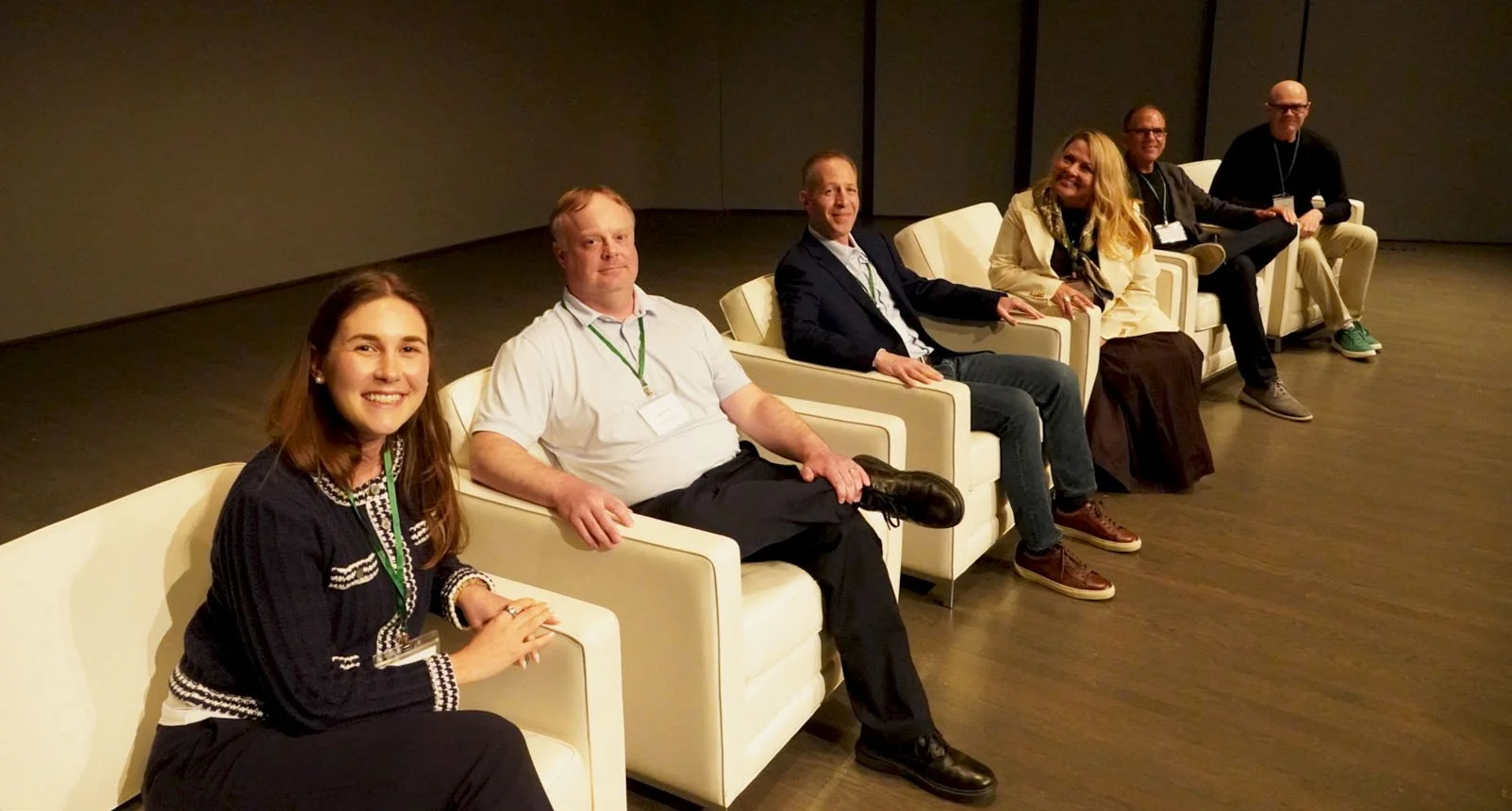
The industry experts who participated in Naturally Chicago’s “Investors in CPG” panel were (from left): Mollye Santulli of Springdale Ventures, who moderated the panel; Ryan Woody from SG Credit Partners; Bert Cohen of Clover Vitality; Tracey Halama of Creekside Ventures; Brian Polencheck of Beckett Industries; and Tyler Mayoras of Manna Tree. All photos by Bob Benenson
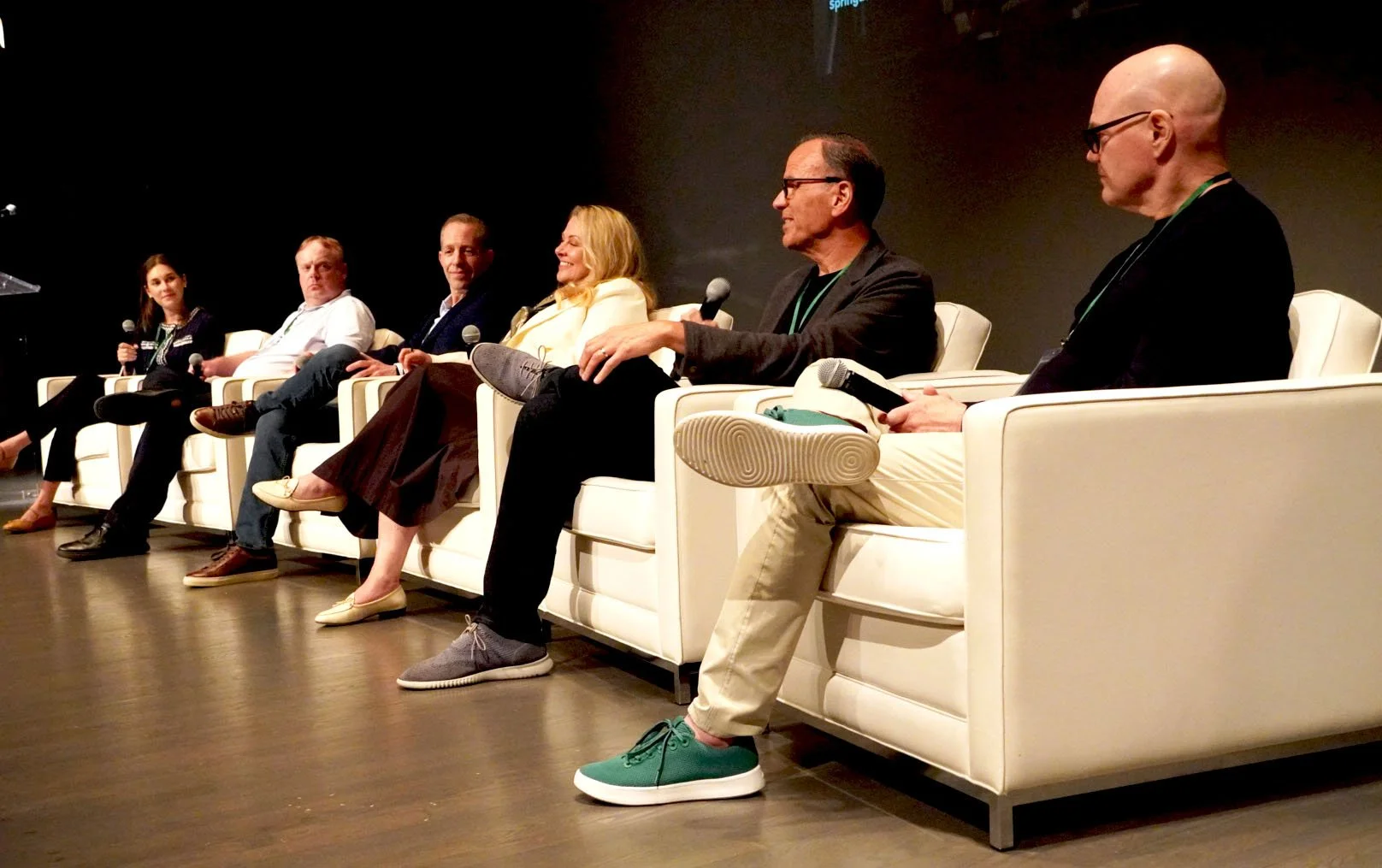
The landscape for consumer packaged goods (CPG) investment has undergone a massive transformation over the last few years. To make sense of where the industry stands today — and how emerging brands can successfully navigate financing — Naturally Chicago hosted the “Investors in CPG” panel at its May 27 Pitch Competition and Innovation Forum.
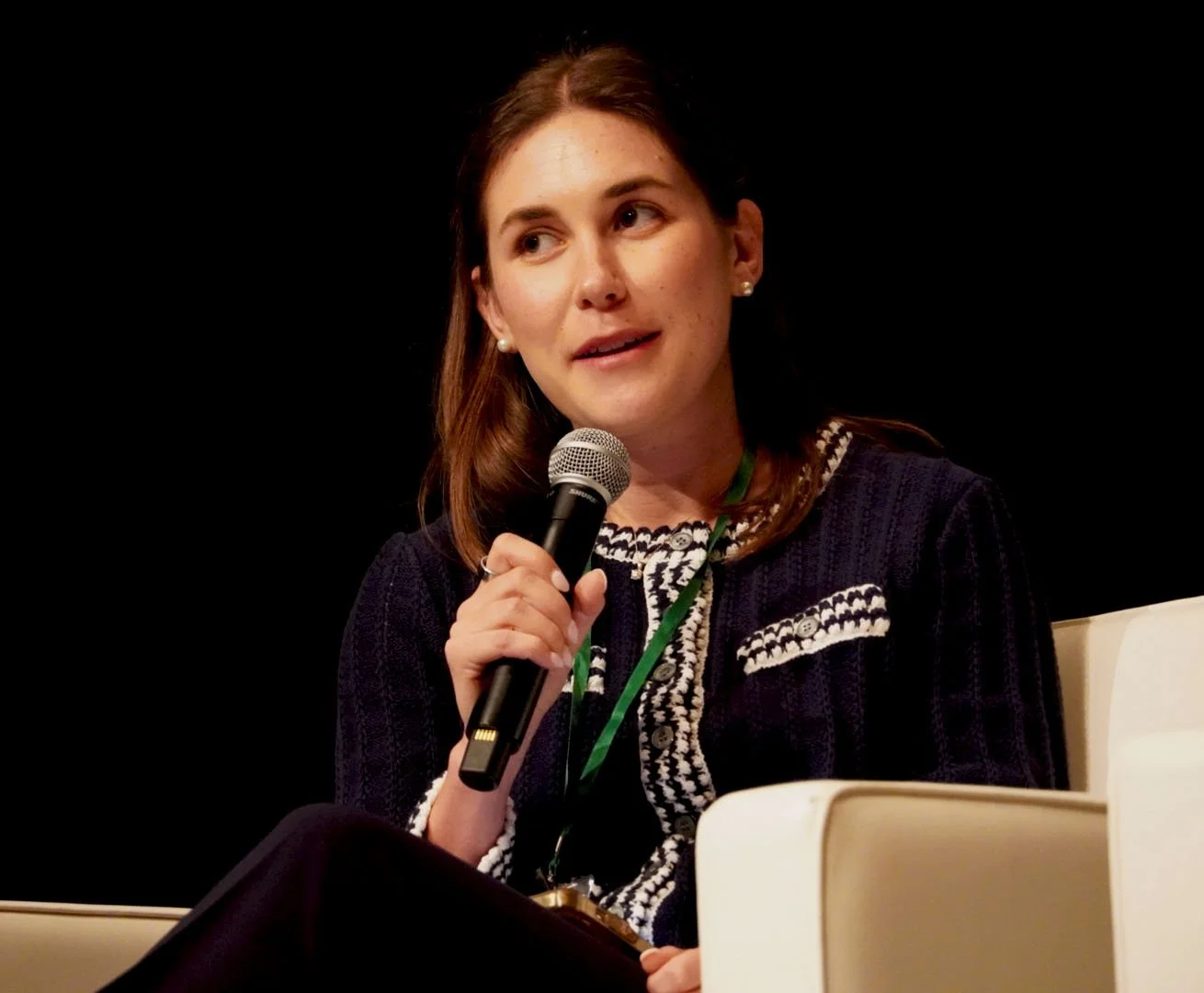
Mollye Santulli
Moderated by Mollye Santulli, a principal at Springdale Ventures, the panel brought together a diverse group of investors spanning early-stage venture equity to private debt: Bert Cohen, co-founder and managing partner of Clover Vitality; Tracey Halama, founder and CEO of Creekside Ventures and former CEO of Vital Proteins; Brian Polencheck, managing partner of Beckett Industries; Tyler Mayoras, managing director at Manna Tree; and Ryan Woody, chief operating officer at SG Credit Partners.
Together, they mapped out the current state of the market, what catches an investor's eye, and how brands should approach retail expansion.
A Post-Nuclear Winter: The State of the Market
The consensus among the panelists is clear: The CPG industry is finally emerging from a brutal funding drought. Tyler characterized 2022 and 2023 as a "nuclear winter" for CPG, driven by skyrocketing interest rates and the collapse of Silicon Valley Bank.
But the tide is turning. Millennials and Gen Z now command more than 50 percent of consumer buying power, and their radically different approach to health and wellness is forcing legacy food conglomerates to acquire emerging brands. "That's brought money back into the industry," Tyler noted, pointing to a wave of newly closed funds. "The juice is starting to flow really well. I think the next five to 10 years are gonna be really good for CPG."
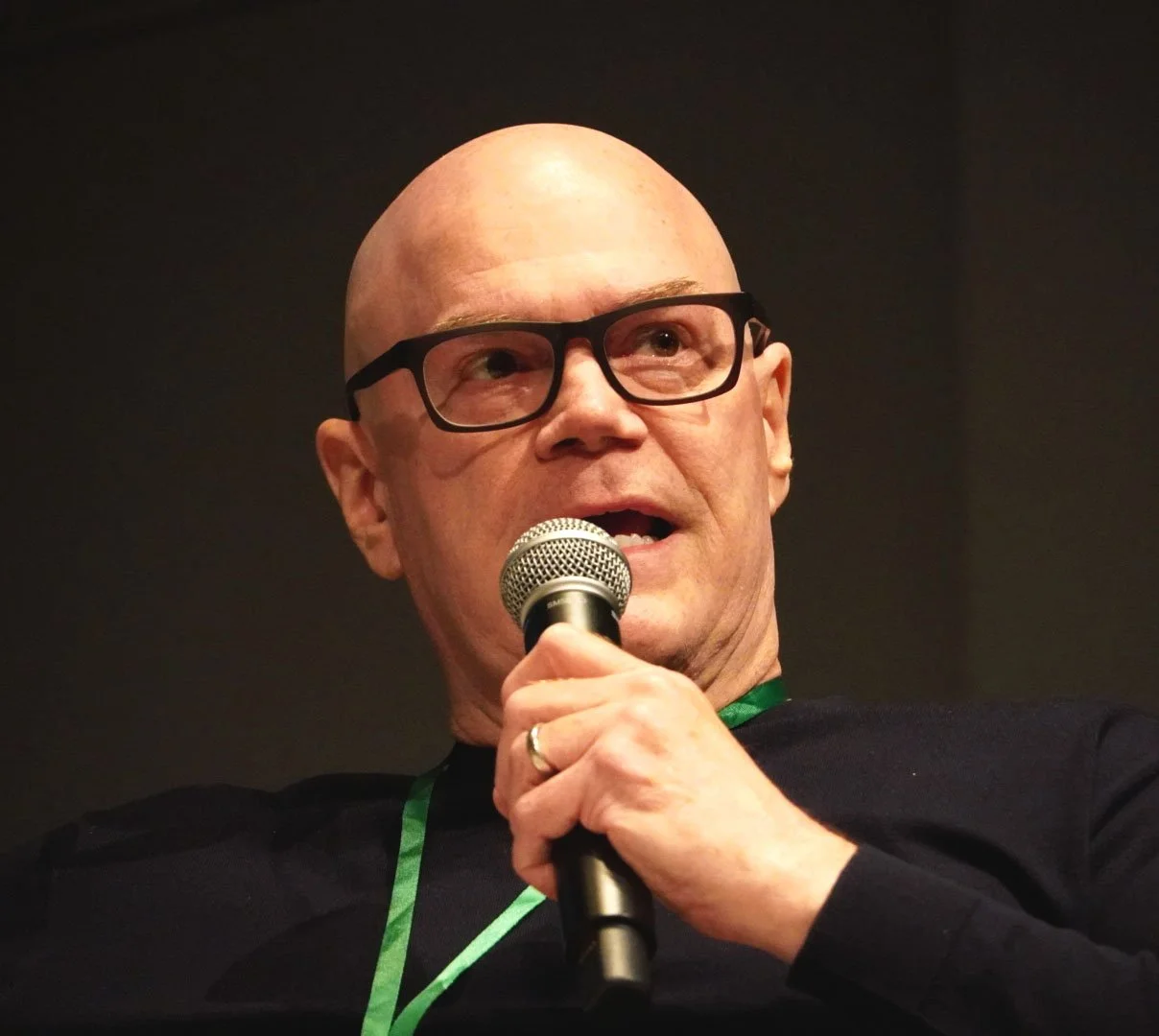
Tyler Mayoras
From the early-stage perspective, Bert agreed that momentum has improved but noted the environment remains mixed. The "temporary optimistic funds" of the 2021 boom have exited, leaving a seed-stage void. He expressed optimism, though, about the rise of microloans filling that critical early capital gap.
Mollye echoed this sentiment, adding that founders are often surprised to find dedicated seed-stage institutional funds like Springdale. "There's just not very many of us that have been committed at the seed stage," she said.
What Makes Investors Lean In: Authenticity and Metrics
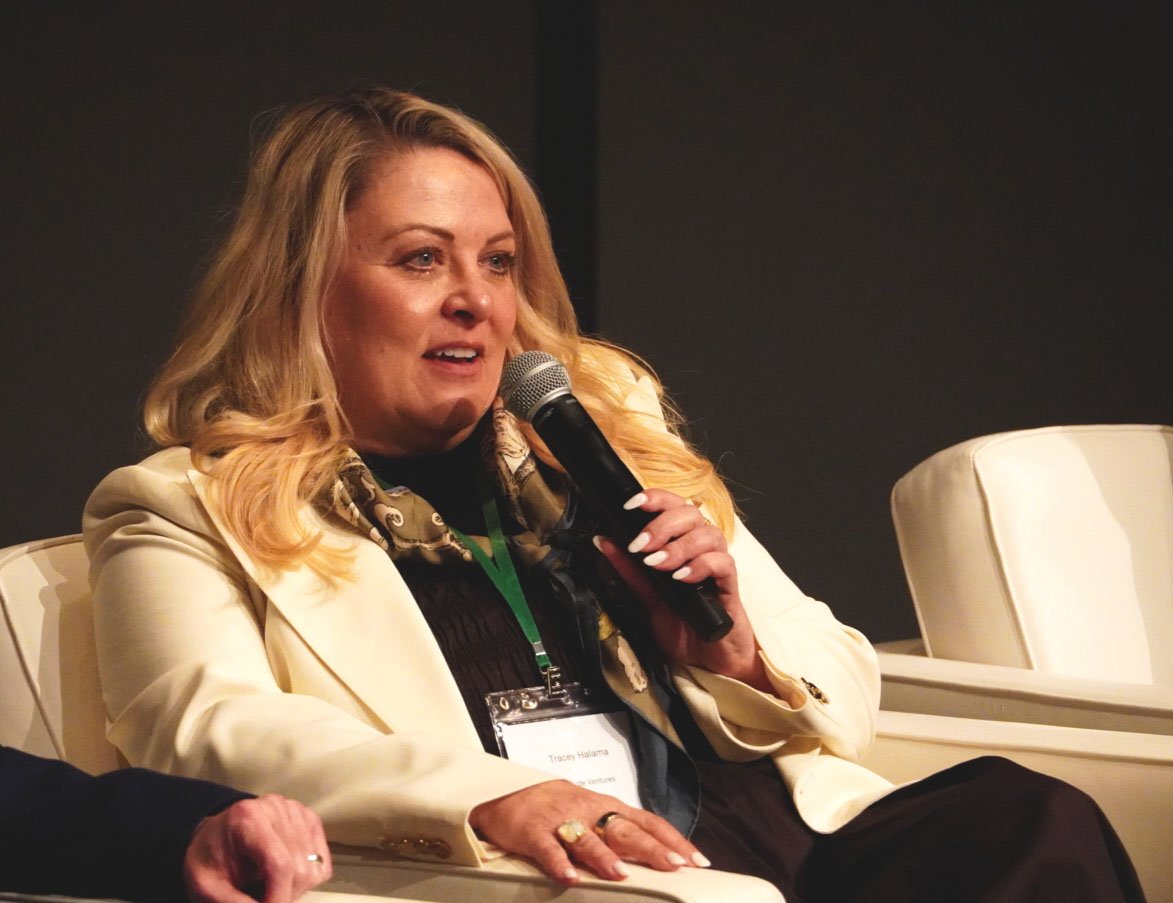
Tracey Halama
When it comes to reviewing pitch decks, the panelists emphasized that a great product is only half the battle. Investors are looking for a unique combination of narrative power and operational rigor.
1. Founder-Market Fit and Storytelling
Tracey highlighted the importance of a founder's authentic voice. "What gets me really excited is the storytelling around what is the problem, why you bring a unique perspective... and only your experience is really going to be able to solve this problem." Tyler agreed, noting that iconic brands such as Simple Mills and Good Culture were born out of the founders' personal health struggles, creating a vulnerability that deeply resonates with consumers.
2. Gripping the Data
While early-stage data is often incomplete, investors look for signs of category disruption and an intense grasp of unit economics. Tracey warned that customer acquisition costs (CAC) have ballooned from $18 in the early days of Vital Proteins to upwards of $60, $80, or even $100 today. "The bar is a little bit higher... you need to speak very coherently on velocities, product margins, and margins by channel."
Mollye reported that she spends at least an hour every day pulling apart profit and loss (P&L) statements to calculate fully loaded contribution margins: "Really understanding where you make money on each purchase, especially online, and then even as you build out your wholesale business... all of those things are where we spend a lot of time."
Valuation Disconnects and the Reality of Dilution
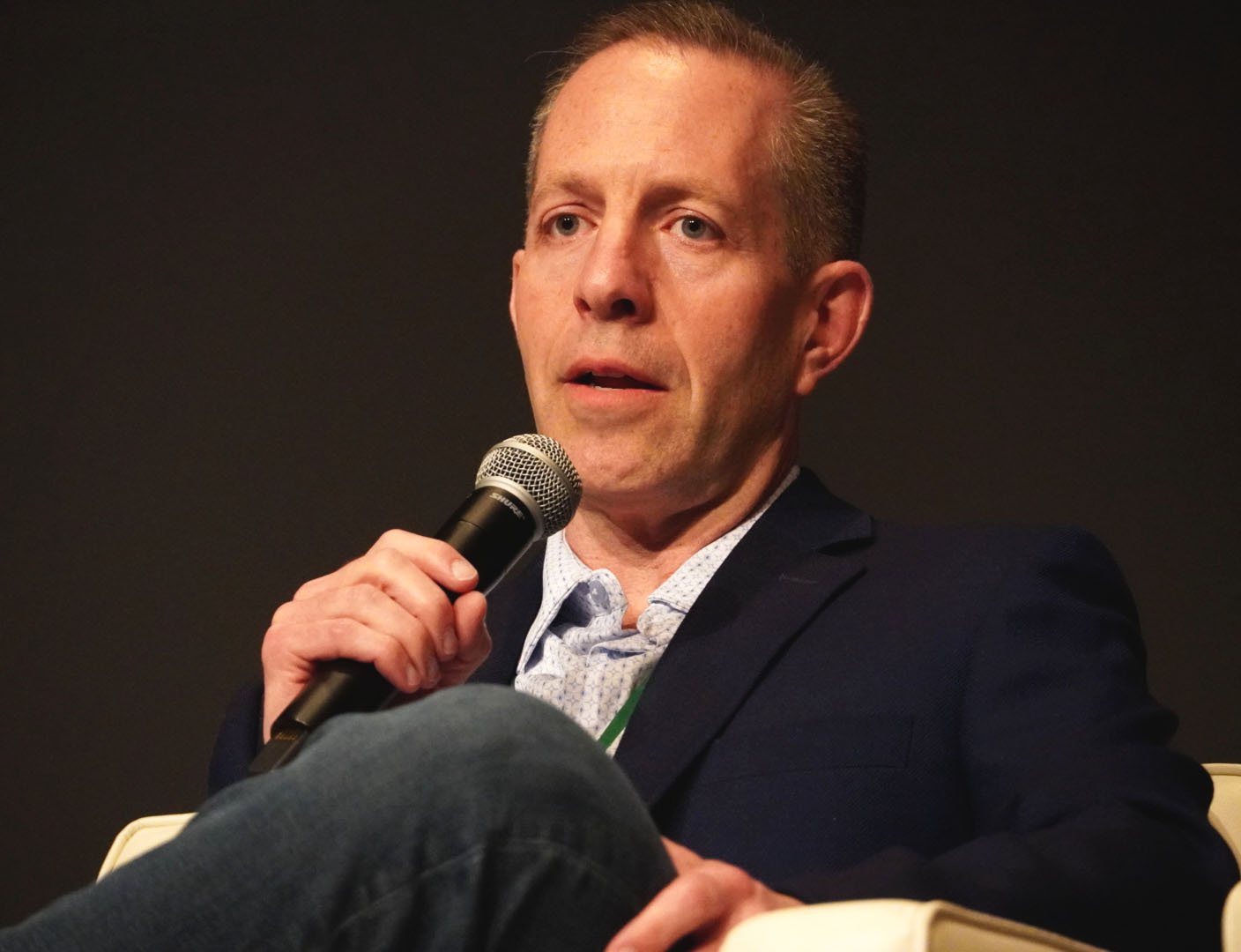
Bert Cohen
Structuring a deal in today's market requires a healthy dose of realism. Bert mapped out current expectations for early-stage founders:
Seed Stage: Deals are typically structured as SAFEs (Simple Agreements for Future Equity) with valuations hovering around the $5 million mark. Founders looking to raise $1 million to $2 million should expect to give up 15 percent to 30 percent of their equity.
Series A and Beyond: While companies with proven product-market fit can be more aggressive, investors still demand a minimum 5x return, often utilizing tools like liquidation preferences to protect their downside. Bert noted that a valuation disconnect between what founders expect and what the market will bear remains a frequent hurdle.
Tracey urged founders to view capital raising through a "360-degree lens," reminding them that they are entering a long-term partnership akin to a marriage. "No longer is it just capital alone, it's also what's the value add," she said, emphasizing that a good investor should provide introductions to retailers and brand ambassadors. She also cautioned that entering retail always costs more than expected due to slotting fees and mandatory promotional spend.
The Other Side of Financing: The Debt Alternative
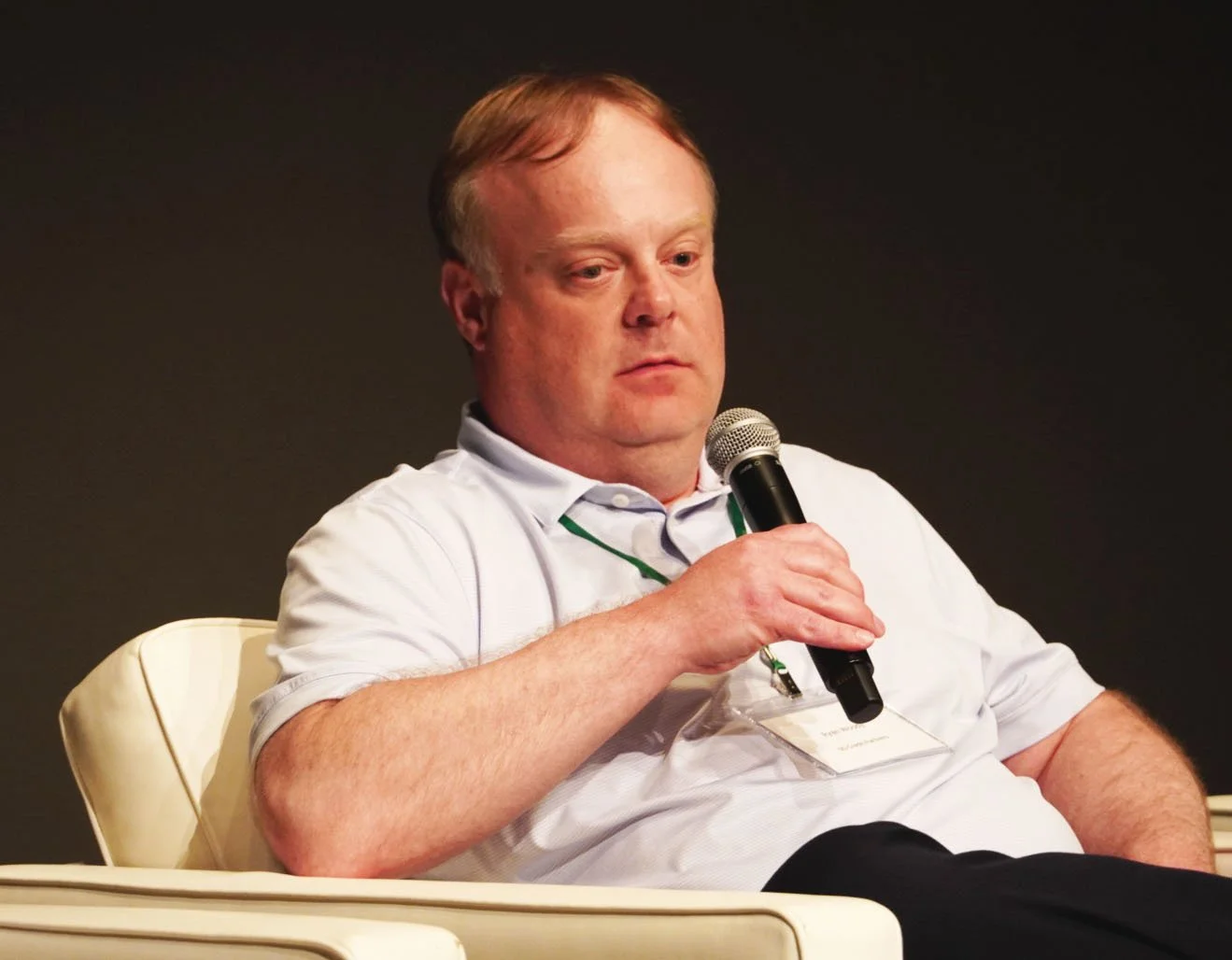
Ryan Woody
For brands looking to scale without massive equity dilution, Ryan demystified the world of asset-based lending, dividing debt into two distinct categories:
Round 1 Debt: Pre-revenue, pre-launch, early VC. Short-term, smaller checks, potentially higher personal risk. The founder's character or backing venture capital.
Round 2 Debt: Post-Series A, established revenue. Non-bank asset-based lending (SG Credit Partners' sweet spot). Hard assets: Accounts receivable and inventory.
Ryan gave a stark piece of advice to early brands: clean up your books before seeking debt: "Make sure your numbers are correct... You don't want to end up finding an entry through an underwriting process that was expensive from a dollars perspective [only to find out] things you thought were correct are truly incorrect."
Retail Expansion: Walk, Run, or Hold?
The panel wrapped up with a lively discussion on distribution strategy. How fast should a brand scale into physical retail?
"Walk before you run. Always try to prove measures of success before going wide." — Tracey Halama
Tracey cautioned against the allure of jumping immediately into 3,000 Walmart doors before a brand is operationally mature. She highlighted the rise of alternative channels like TikTok Shop, which is now rivaling the e-commerce revenues of giants like Target and Costco, as a new way to democratize access. "The average brand is going to take seven to 10 years to build," she added. "Aggressive growth based just on points of distribution adds complexity, not good growth."
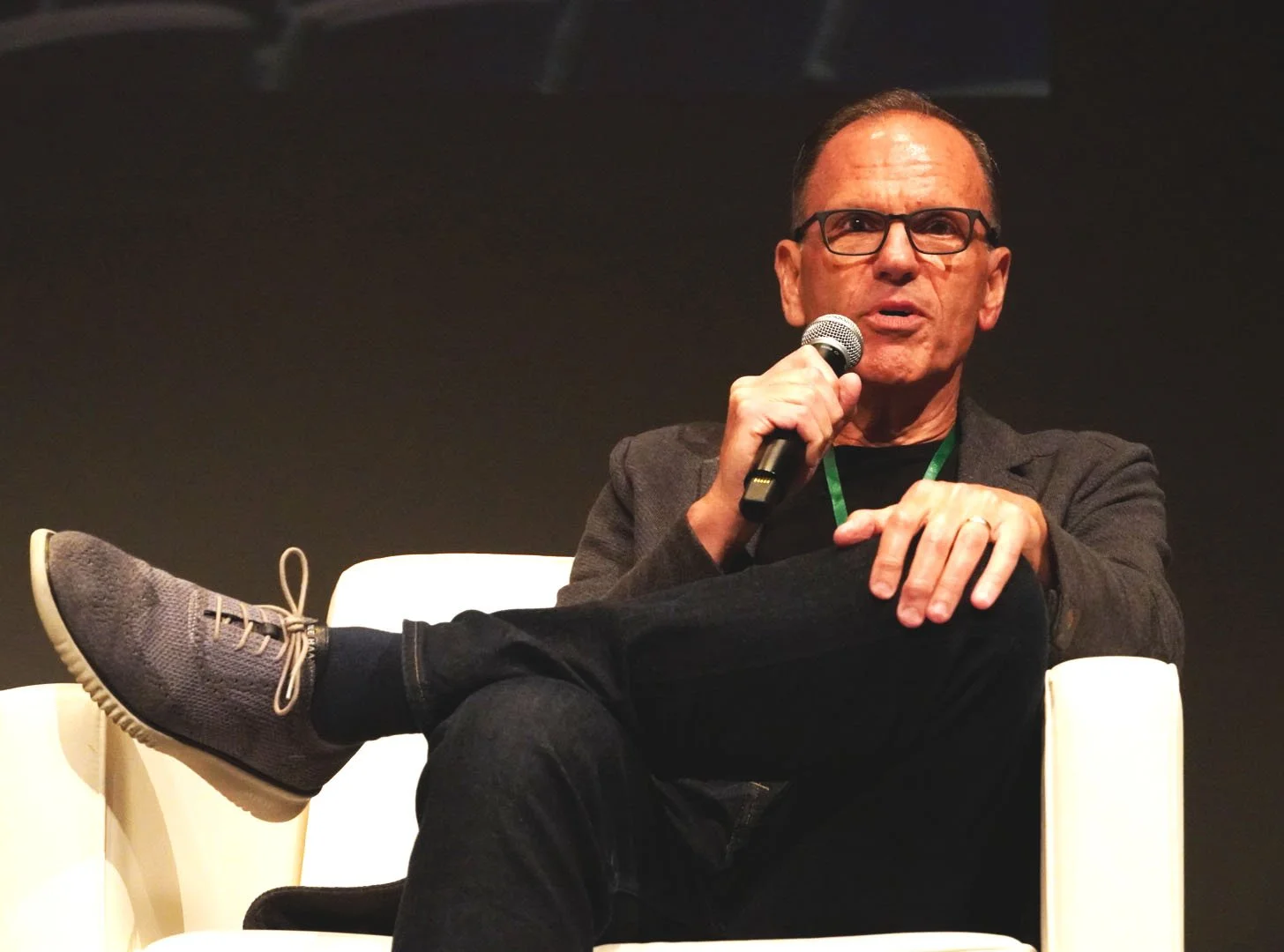
Brian Polencheck
Brian advocated for a digital-first approach for shelf-stable items, noting that brands can achieve profitability at $5 million to $10 million in e-commerce, whereas retail brands often struggle to turn a profit even at $40 million.
Tyler warned, though, against moving too slowly. "If you don't have a Sprouts, a Whole Foods, a Kroger... you're not going to build the data that gets investors excited to coach you," he concluded. He left the audience with a universal truth for CPG founders: "It always takes longer. Your co-packer always takes longer, and it always costs more. You can pretty much run the checkbox on every one of those."