
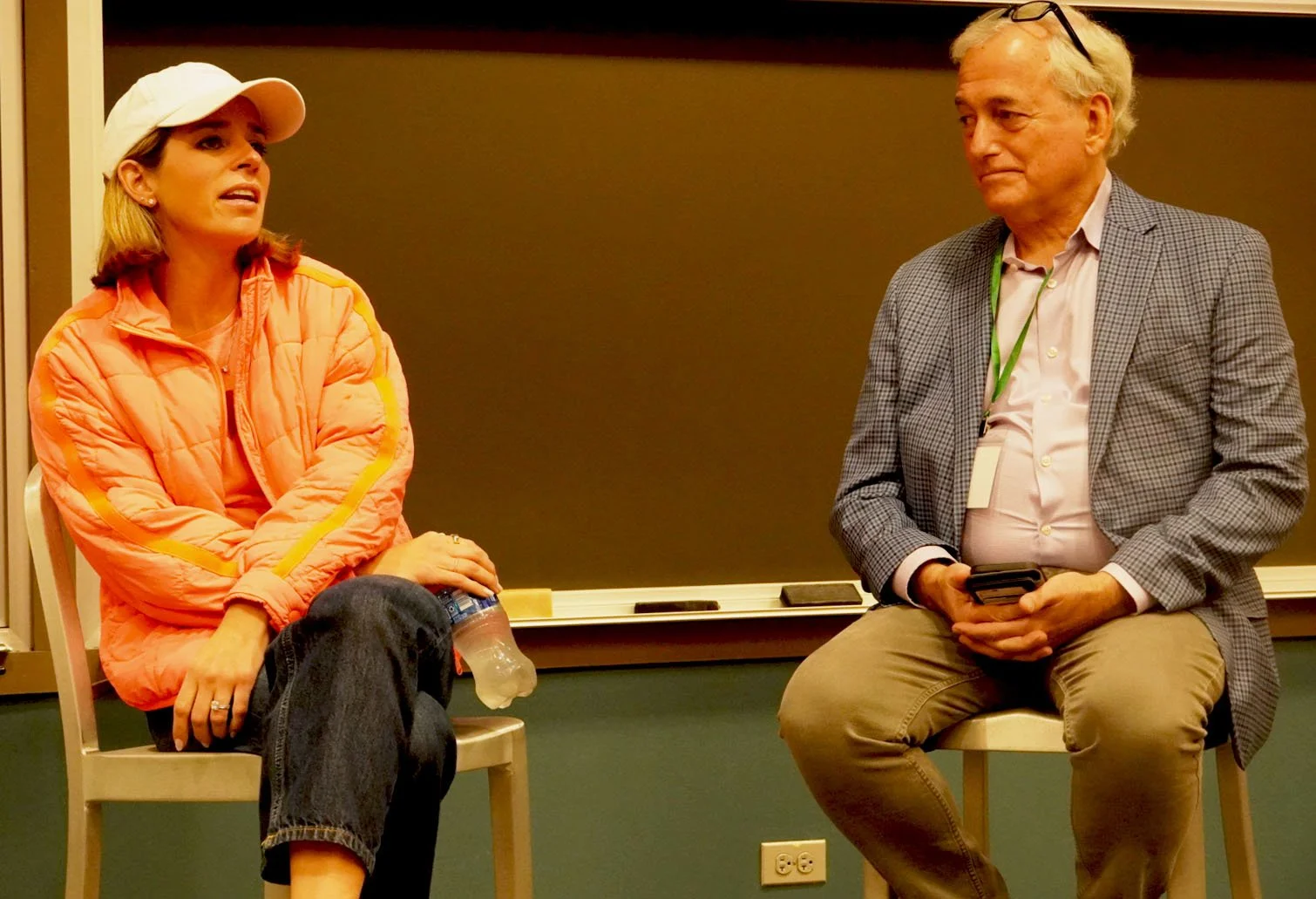
Emily Groden, founder/CEO of fast-growing Evergreen, engaged in a “fireside chat” with Naturally Chicago’s Jim Slama at the organization’s Capital Readiness Workshop on October 22. Emily described how she shaped the success of her frozen waffle company and found the financing to grow the company. Photo by Bob Benenson/Naturally Chicago
Evergreen: From Toaster-in-a-Duffel-Bag to Number 1 Frozen Waffle at Whole Foods
Founder/CEO Emily Groden Shared Success Story, Funding Strategies During Fireside Chat at Naturally Chicago’s Capital Readiness Workshop
Emily Groden likes to say that Evergreen, her better-for-you frozen waffle and pancake company, is a "six-and-a-half-year overnight success." The former corporate lawyer has built a brand that is now the top-selling frozen waffle at Whole Foods Market, is distributed nationwide in the Natural grocery channel, and is making fast inroads in conventional and mass retail.
Emily, founder and CEO of Evergreen, shared the story of her company's growth and the capital that fueled it on October 22 during a "fireside chat" with Jim Slama, founder and CEO of Naturally Chicago, the non-profit association for the Chicago region's natural products consumer packaged goods (CPG) industry.
The conversation was part of the organization's Capital Readiness Workshop — the first installment of its three-part CPG Growth Series — held at the Coleman Entrepreneurship Center at DePaul University's downtown Chicago campus.
Jim introduced Emily as one of the biggest success stories among the brands Naturally Chicago works with. "Part of working with incredible brands is watching them when they're really early, and hopefully helping them, which I think we do in many cases, and then watching them thrive and grow," he said.
From Law Career to Waffle Icon
Emily graduated from Harvard Law School in 2015, intending to build a career in corporate law. Her path changed after the birth of her daughter, now 8. Emily wanted to feed her child nutritious breakfasts but knew she lacked the time to make them from scratch every day.
Frozen waffles seemed an obvious solution, but when she went shopping at her local Whole Foods Market in 2018, she was disappointed by what she found. "The better-for-you options really weren't all that much better for you," she recalled. "They were kind of like the brand in the yellow box [an oblique reference to Eggo waffles], just in healthier-looking packaging." Many of the ingredients, she said, were ones she didn't recognize.
So she bought a mini waffle iron and, on Sundays, blended batter from real ingredients: fruits, veggies, whole grains, eggs, nuts and spices. She froze big batches in Ziploc bags, and those waffles became her daughter's staple breakfast for the first year of her solid-food life.
At the end of that year, Emily said, she and her husband figured they were onto something: "She's probably not the only kid out there who would eat something like it, and I'm probably not the only mom out there who would buy it."
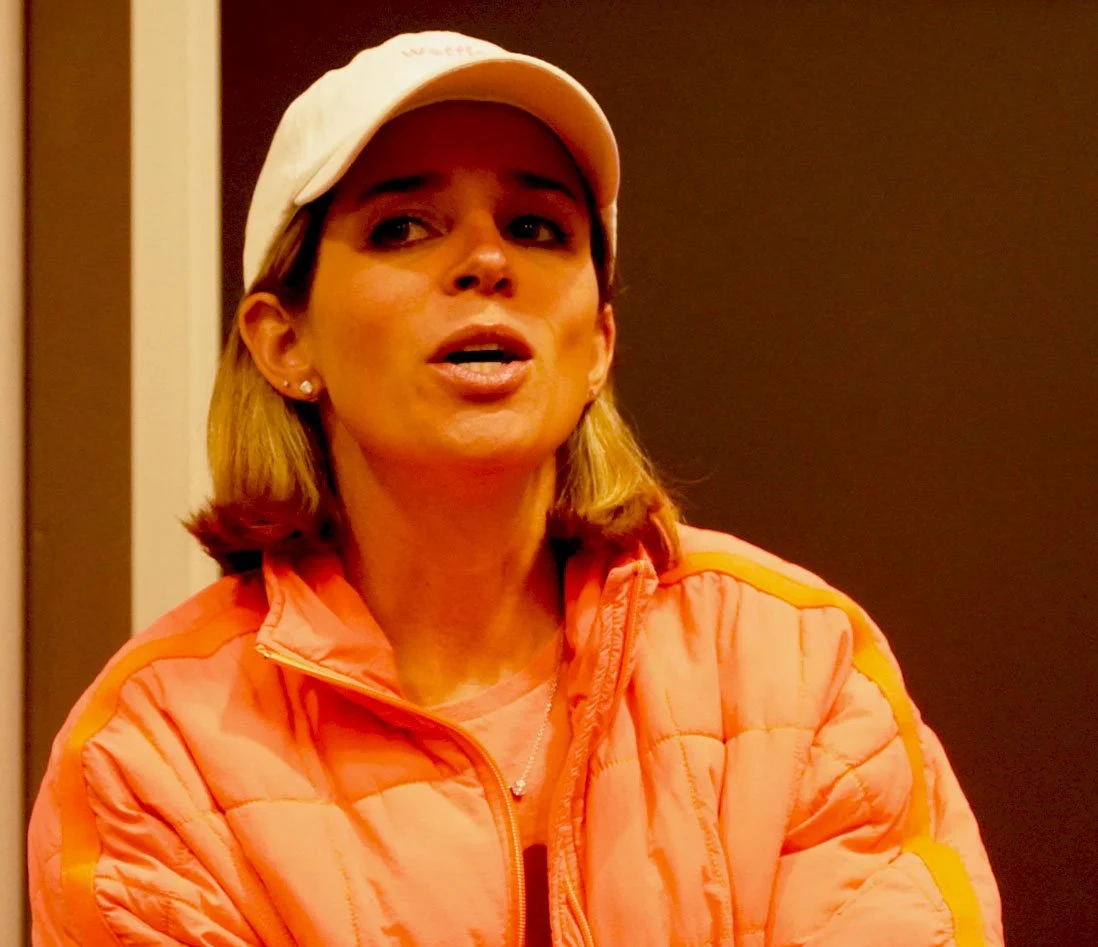
Photo of Emily Groden (Bob Benenson/Naturally Chicago)
Toaster and Duffel Bag Built Corner Store Base
Emily had, in her words, "exactly zero background in anything related to grocery or food." True to her risk-averse legal training, she didn't leap right in; she cut back to three days a week at her law job and spent the other two working out of a shared commercial kitchen, making waffles and storing them in her basement freezer.
On weekends, she hit the streets. She packed waffles and her household toaster into a duffel bag and visited Chicago corner stores. "I walk in and say, 'My name is Emily. I make waffles. I actually have some here, and I actually have my toaster, and I plug it in, and it heats them up for you,'" she said. Every store owner agreed. (As someone later told her: "Only in Chicago do store owners say, 'Sure, plug your toaster in.'")
Emboldened, she sent a cold email to the Whole Foods local brands program. After a month of silence following the delivery of samples, the buyer wrote back that the team loved the product and wanted to bring it in.
Slow and Steady with Whole Foods
Evergreen debuted in 29 Whole Foods stores in Illinois in the second week of March 2020. This was just as the COVID pandemic was upending American life, but Emily notes that easy but healthy convenience foods (like her waffles) were in high demand during the crisis.
She quickly realized she couldn't supply even that modest rollout on her own and scrambled to find a co-manufacturer. At her first co-man session, she showed up with her household blender under her arm to demonstrate her batter. The plant manager politely informed her that wasn't how it worked, and that he would show her how the factory would convert her recipes to large batch production.
The expansion that followed at Whole Foods was gradual:
Evergreen reached the rest of the Midwest in late 2020 and added the North Atlantic region in 2021.
The brand then stayed in those two regions for three years, building velocities without adding doors.
In July 2024, Whole Foods added the Northeast and Mid-Atlantic regions, and Evergreen's velocities rose even higher.
The brand went nationwide in January 2025.
Whole Foods took on Evergreen's second product line in August 2025 and its third line this past August, bringing the total to 11 SKUs nationwide.
Emily said she had asked for a national launch "only a hundred times over the course of two years," but in hindsight, she's grateful she waited. Launching nationally earlier, she said, "easily could have failed," because a big rollout requires a manufacturer with sufficient capacity, a sales team that understands promotional planning, and a marketing team with a robust launch plan.
To Sprouts and Beyond While Managing Growth
Evergreen is also nationwide at Sprouts Farmers Market, a deal that again forced Emily to scramble. In late 2021, when she was running her own production facility with four employees, Sprouts offered to take four SKUs in its roughly 500 stores. "I was like, 'Amazing,' and then, 'Oh my God, what did I just say yes to?'" she said. She found a new manufacturing partner by Googling waffle makers and calling all of them, and ; she chose one of themEvergreen has worked with that company for nearly five years.
Emily stopped making product herself at the end of 2021. "I have scars all over my body from burning myself on the massive ovens," she said. "Don't need to be in that."
Having established itself in the Natural channel, Evergreen has begun moving into conventional and mass retail. The brand is in most major conventional chains, including Kroger, Stop & Shop, ShopRite and Wegmans, as well as about 700 Target stores and select Walmarts. Emily said data shows much of the growth in emerging-brand sales now comes from Walmart. "That shopper shops differently," she said, and Evergreen is still refining its strategy.
Foodservice is the next frontier. Emily recently hired a head of sales who spent nine years with Bobo's Oat Bars and has deep foodservice experience. Emily sees opportunities in colleges and universities and grab-and-go, and Jim suggested elementary schools. "That would be a dream for me from a mission standpoint," Emily said, "because really the whole reason we exist is because we believe kids deserve better food."
The Funding Journey
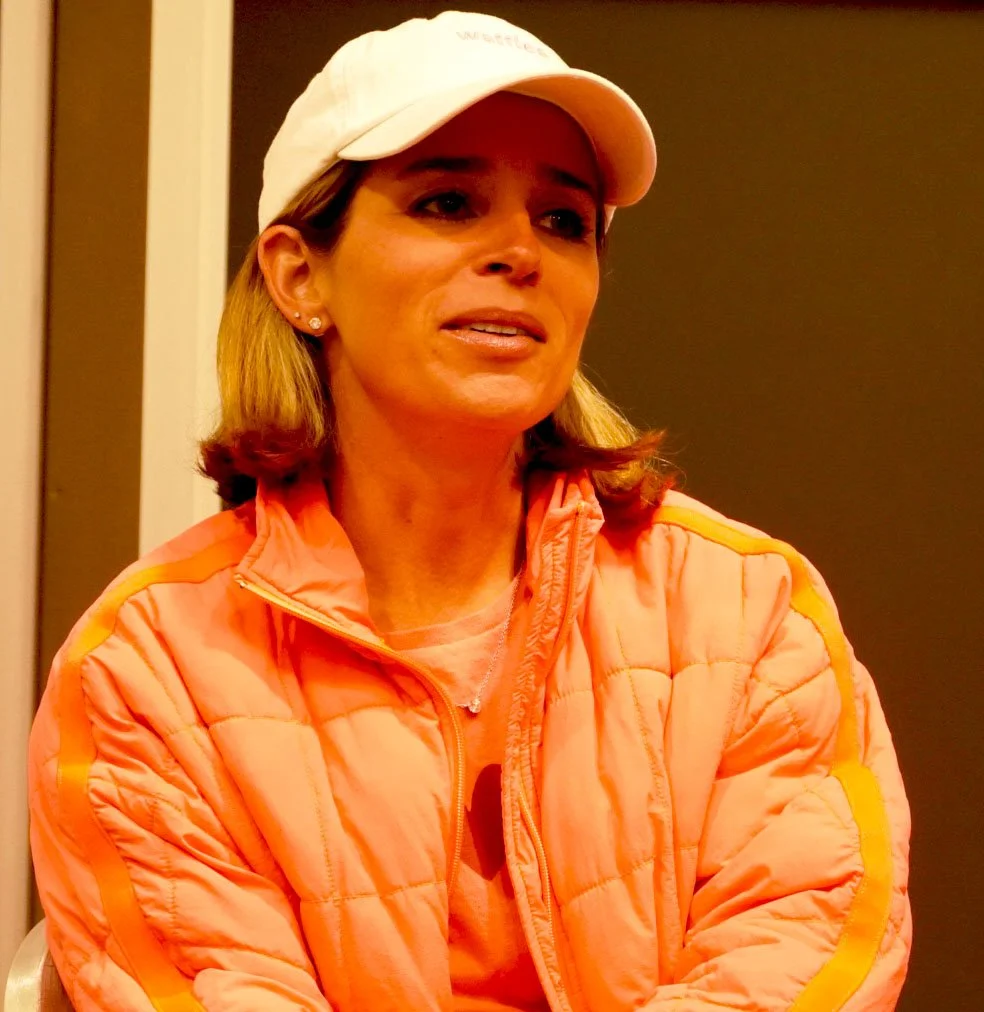
Photo by Bob Benenson/Naturally Chicago
For its first three years, Evergreen was a one-woman operation, entirely self-funded. By the time it reached about 650 doors, Emily decided she needed experienced help, which meant raising cash.
Her first round, in 2023, came from friends, family, angel investors and a couple of Chicago pre-seed funds. "Those are the investors who don't know anything about food. They just know you, and they believe in you," she said. The money allowed her to make her first two hires, a salesperson and a marketing executive.
The marketing hire told her the company's all-white, green-lettered, sharp-cornered packaging wasn't working; many shoppers assumed the waffles were vegan and would taste like cardboard. Evergreen rebranded in January 2024 with a much brighter look, and "the week our new brand hit shelves, our velocities jumped 62 percent," Emily said. The results attracted institutional investors, and Evergreen closed a Series Seed round in mid-2024.
The company closed a Series A in December 2025. Only afterward did it put in place an asset-based line of credit that grows with inventory and receivables, which Emily described as "a cushion for a rainy day." It has taken on no other debt.
The rounds have changed Emily’s job. After the Series Seed, she formed a three-seat board with the lead investor. With the Series A, the board expanded to five, including two independent directors she selected, plus two observers. She now holds monthly financial review calls with the board, and she said investor relations is "a big part" of her work.
With a new line launching nationally next April, Emily expects to raise a Series B, starting in the second half of next year and aiming to close by year's end. She expects to bring in new investors, and said she views board members as "an extension of my team" who bring expertise in areas such as marketing and operations.
Advice for Founders
Emily’s counsel to entrepreneurs seeking capital:
Start early. "It always takes longer than you think, and you don't want to run out of money." She also advised getting to know investors before asking them for money, since "your investor relationships are a marriage."
Expect many no's, and don't take them personally. A rejection could reflect a fund's mandate or timing. "It's also a no today," she said. "Even if it is about you, it does not mean it's a no tomorrow." She thanks investors, seeks feedback, and keeps them updated on her progress.
In response to audience questions, Emily said her friends-and-family round came together when one early supporter asked when he could invest and rallied about 15 others. She also advised tapping Chicago's pre-seed funds, such as Long Jump VC, one of Evergreen's first checks, and the angel investors among their limited partners.
On whether to seek one big check or several smaller ones, she said it depends on what expertise the investors bring. Asked what investors look for, she said friends and family "are just investing in me," while Seed investors wanted data on velocity relative to category. By the Series A, they were examining social listening and unit economics, particularly margins and how they will progress over three to five years.
'Everybody Should Apply' to Pitch Slam
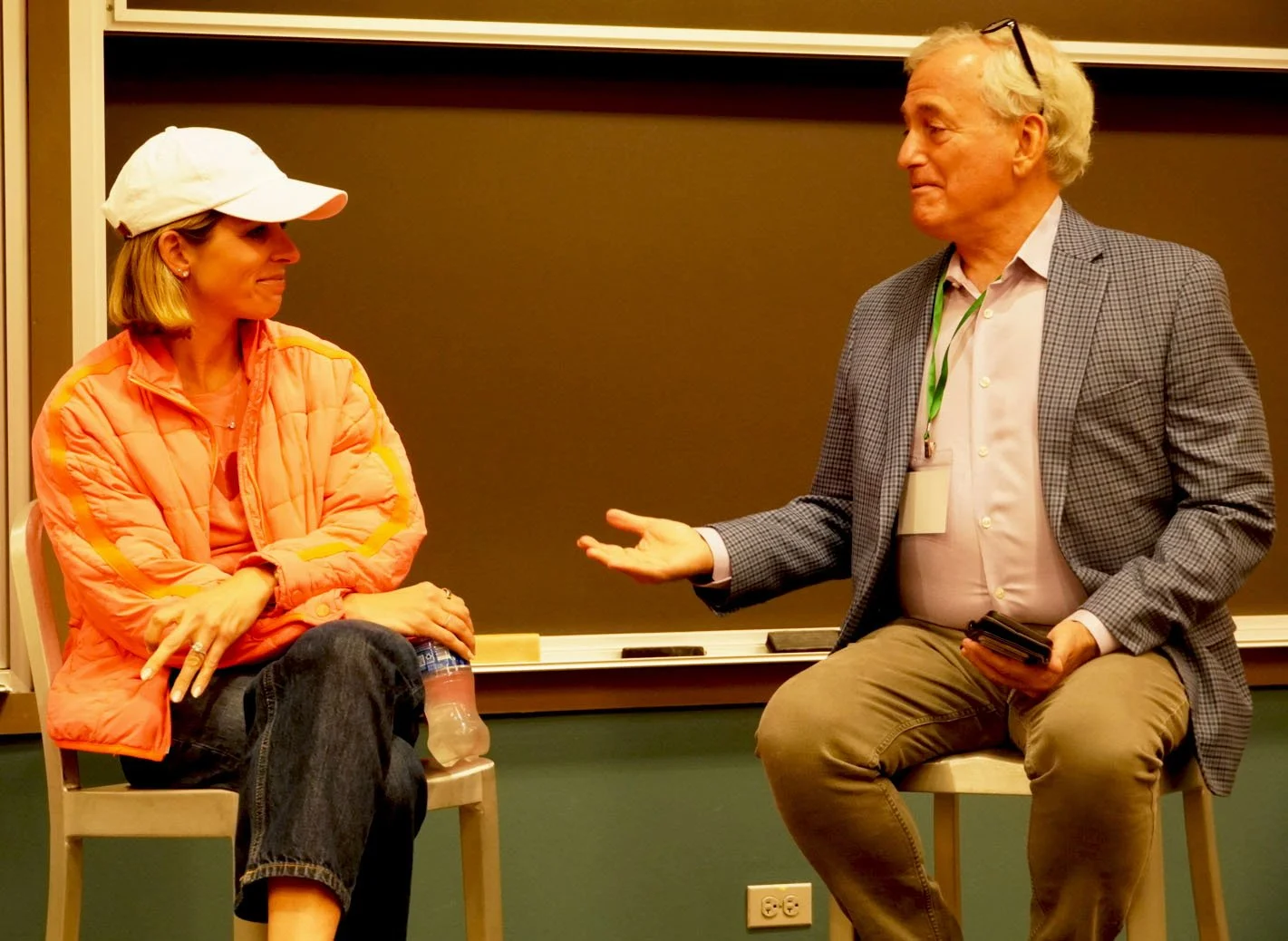
Photo by Bob Benenson/Naturally Chicago
Jim closed the session by noting that the date for the next Naturally Chicago Pitch Slam has been set for May 25, 2027. Evergreen won the 2024 Pitch Slam competition, and Emily urged attendees to compete.
"Everybody should apply. No, seriously, everybody should apply," she said. "The audience at the Pitch Slam is the best of the best," including investors, strategic players and "legendary founders" with whom she has stayed in touch since they saw her pitch.
Evergreen's win also brought access to data she described as invaluable and "a massive unlock." And the exposure keeps paying off: Emily said that just the past week, a buyer she met at the National Frozen & Refrigerated Foods Association (NFRA) told her he first heard of Evergreen as a Pitch Slam judge when he worked at Thrive Market.
He is now at Giant, and, he told her, he has been a fan ever since.
For more information on Naturally Chicago and its Pitch Slam, visit naturallychicago.org.