
From Bootstrap to Breakout: How Chomps Scaled a Better-for-You Meat Snack Brand
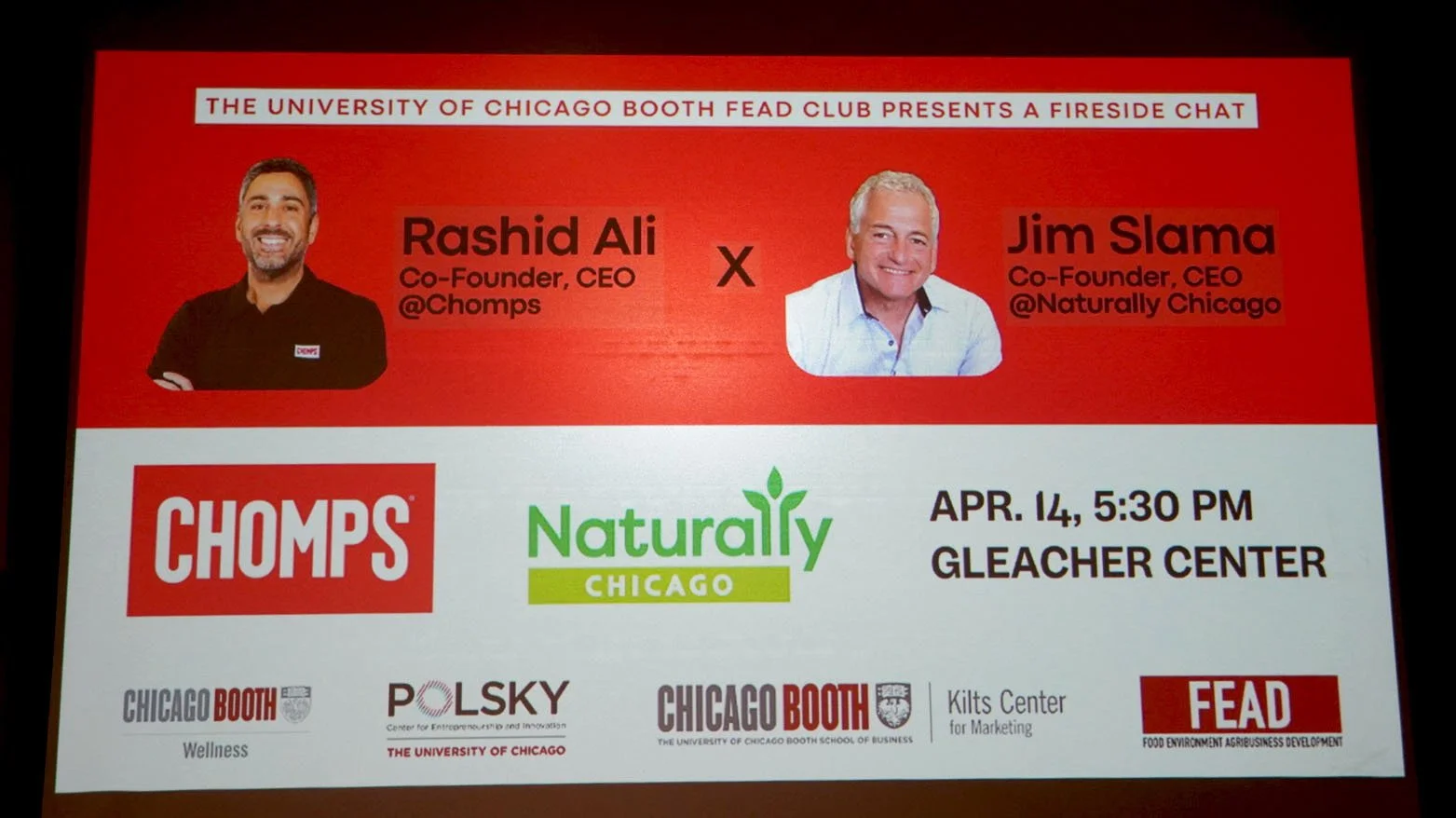
When Rashid Ali and Pete Maldonado launched Chomps in 2012, their original goal was modest: to provide protein-craving members at Crossfit gyms with a tasty, toothsome meat stick, made with grass-fed beef, as an alternative to traditional, tough-to-chew jerky products.
Chomps’ path to success was unconventional and didn’t look like most startups.
The company built its foundation through e-commerce, intentionally holding back from rushing into retail. Its first major retail breakthrough came in 2016, when Trader Joe’s began carrying its products, but it continued to expand deliberately.
It wasn’t until 2018, when Chomps introduced its now signature colorful packaging, that it fully leaned into retail. That disciplined approach paid off: Once it scaled, growth accelerated quickly, and Chomps became one of the hottest brands in food.
Naturally Chicago is proud to have the locally based company as a brand partner, and to have Rashid Ali on our Board of Directors. This thriving relationship was highlighted on the evening of April 14, when Ali engaged in a Fireside Chat with Naturally Chicago Founder/CEO Jim Slama.

Chomps CEO/co-founder Rashid Ali (right) with Naturally Chicago CEO/co-founder Jim Slama at the Fireside Chat event held April 14 at University of Chicago Booth School of Business. Photo by Bob Benenson
Hosted by the Food, Environment, Agribusiness and Development (FEAD) Club at the University of Chicago Booth School of Business, the conversation unpacked the unlikely rise of one of the fastest-growing snack brands in the U.S.
What emerged was not a tidy startup success story, but a detailed, often gritty account of how operational discipline, strategic patience, and a willingness to “fail forward” turned a $6,500 side project into a brand now reaching millions of households.
Partnership Built on Complementary Strengths
Chomps’ origin story is deceptively simple. Ali, then a consultant with a strong operations and finance background, connected with co-founder Pete Maldonado, an entrepreneurial self-starter with a knack for ideation and hustle. Their first idea — a grass-fed meat delivery business — quickly ran into the harsh economics of shipping frozen products.
Rather than forcing a flawed model, they pivoted. The breakthrough came from a straightforward question: could they reinvent the meat stick as a clean-label, better-for-you snack?
That question begat Chomps.
From the outset, the partnership dynamic proved critical. Ali brought analytical rigor and execution discipline; Maldonado brought vision and instinct. That balance of skepticism paired with optimism continues to define how the company navigates growth.
Early Traction: Niche Audiences and Digital Precision
Initially without retail access or brand awareness, Chomps built its foundation through e-commerce. For its first four years, the company sold exclusively online — a decision that proved strategically advantageous.
Ali and Maldonado targeted highly engaged, emerging consumer segments:
CrossFit athletes
Paleo and Whole30 adherents
Keto consumers
These groups functioned as early “influencers” — deeply loyal, highly vocal, and trusted within their communities — before the term became ubiquitous.
Chomps leaned heavily into influencer partnerships; certifications (such as gluten-free, paleo and Whole30); and early digital marketing. This combination created credibility and allowed the brand to scale efficiently without traditional retail distribution.
A pivotal moment came when the product was unexpectedly featured on a popular men’s lifestyle site, generating hundreds of orders overnight, far beyond the company’s fulfillment capacity. Instead of collapsing under the pressure, Chomps leaned into transparency with customers, fulfilling orders over time and strengthening loyalty in the process.
The Trader Joe’s Inflection Point
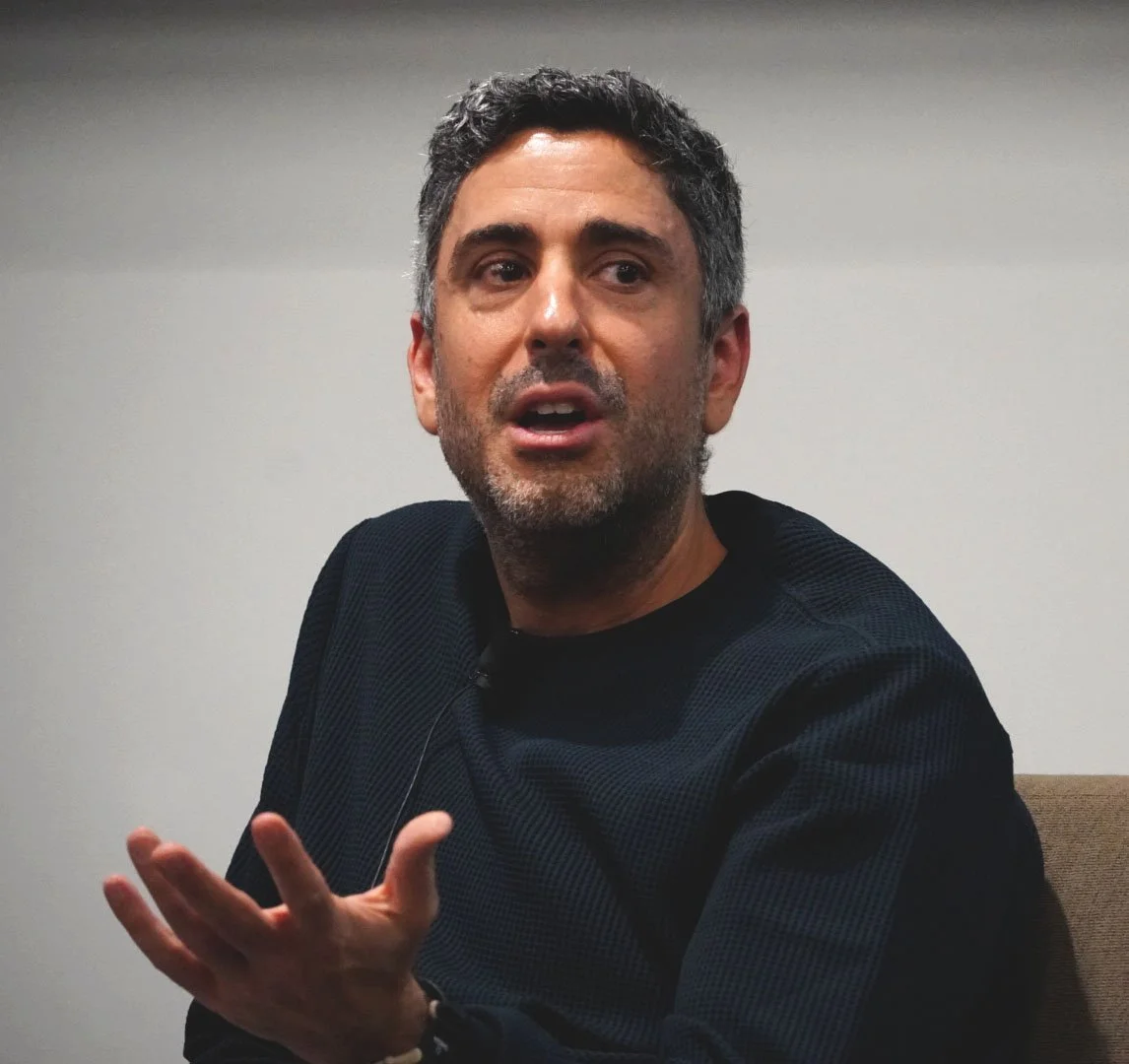
Rashid Ali. Photo by Bob Benenson
The company’s trajectory changed dramatically with a call from the Trader Joe’s grocery chain.
The opportunity came with enormous risk:
A purchase order requiring ~$1 million in inventory
A manufacturing partner unsure it could meet demand
A business still run part-time by its founders
Through a mix of personal guarantees and rapid fundraising from friends and family, they made it work.
Within weeks of launching in the store chain in 2016, Chomps dramatically outperformed the previous product in the category. Trader Joe’s doubled down, and the resulting cash flow effectively financed the company’s next phase of growth.
Scaling Challenges: When “Clean” Gets Complicated
Chomps’ commitment to zero sugar and clean ingredients created a hidden operational challenge. In meat processing, sugar plays a functional role in stabilizing products. Removing it made consistency far harder to achieve.
Early on, the company faced significant quality variability with color inconsistencies, texture issues, and defects that major retailers would not tolerate.
Their first solution was unconventional and labor-intensive: They inspected every single stick by hand.
For years, this meant shipping product to warehouses, holding inventory for weeks, and employing teams to manually inspect hundreds of thousands of units. While inefficient, the process generated something invaluable: data.
By analyzing defects and feeding insights back to manufacturers, Chomps gradually improved production consistency. Today, despite operating across seven manufacturing facilities and producing millions of sticks daily, the company maintains tight quality control— without owning its own plants.
Brand Evolution: From “Beefy” to Broad Appeal
Initially, Chomps looked like every other jerky brand—masculine, rugged, and visually indistinct. But consumer insights told a different story: roughly 70% of their customers were women, quite different from the dominant meat snack brands with their macho imagery.
That realization triggered a full brand transformation:
Bright, single-color packaging for shelf differentiation
A more approachable, playful tone
“Chompspirations” (short messages) on packaging to build emotional connection
The goal wasn’t to create a “female” brand, but a broadly appealing one, something largely absent in the meat snack category. The shift worked, big time. Chomps now stands out visually and emotionally in a crowded aisle dominated by legacy players.
Growth Strategy: Depth Over Breadth
Today, Chomps is sold in tens of thousands of retail locations and generates significant revenue, but its strategy remains deliberately focused.
Rather than chasing constant innovation or rapid category expansion, the company emphasizes:
Core product strength: Most revenue still comes from just a few SKUs, which now includes sticks made with pasture
Retail depth: Driving more sales per store rather than expanding indiscriminately
Incrementality: Proving to retailers that Chomps grows the category, rather than cannibalizing it
This discipline has paid off. Major retailers have increasingly prioritized the brand, often reallocating shelf space away from its competitors.
One of the more interesting dynamics discussed was the rise of GLP-1 weight-loss drugs and their impact on food consumption.
While Chomps did not design its products for this trend, it has benefited from it. As consumers become more focused on nutrient density, snacks that are portable and high-protein have gained relevance.
Ali framed it simply: consumers now have “conscious calories.” When intake is limited, quality matters more.
Culture at Scale: Remote, but Intentional
Chomps now employs around 180 people, operating largely as a remote organization.
Maintaining culture in that environment requires deliberate investment:
Clearly defined core values (“traits of a chompion”)
Regular in-person retreats and team gatherings
Structured performance alignment
Ali emphasizes that culture is not accidental. It must be operationalized, especially in distributed teams.
Looking Ahead: Optionality Over Urgency
Despite rapid growth, Chomps has taken a measured approach to capital and expansion.
The owners:
Bootstrapped for nearly a decade
Raised institutional capital only after reaching significant scale
Remain focused on building optionality, rather than rushing toward an exit (selling the company to reap the benefits of its skyrocketing growth)
Future priorities include:
Expanding within existing retail accounts
Growing convenience store presence
Entering international markets (including Canada and potentially the UK)
Thoughtful innovation, guided by a long-term roadmap
Key Takeaways for Founders
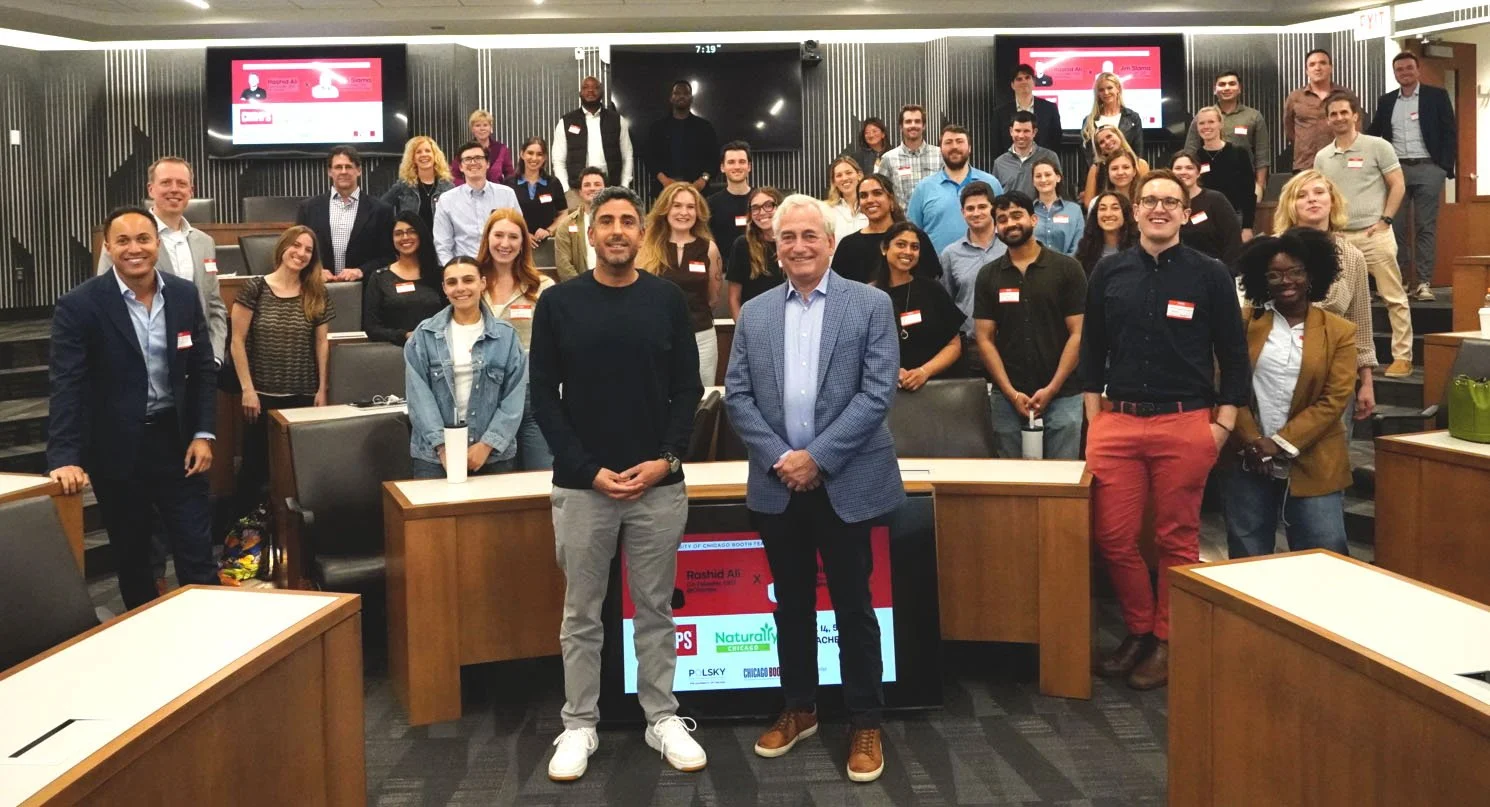
Attendees — many of them entrepreneurial founders — joined Rashid Ali and Jim Slama for a group shot at the end of their Fireside Chat. Photo by Bob Benenson
Ali’s advice to aspiring entrepreneurs was notably pragmatic:
Expect failure—and design systems to learn from it
Don’t blindly copy other companies’ playbooks
Balance generalist experience with eventual specialization
Stay grounded in unit economics and operational realities
Perhaps most importantly, he emphasized that success rarely looks smooth from the inside. “Everything breaks,” he noted. “You just learn how to respond faster.”
The Bigger Picture
Chomps’ rise reflects broader shifts in the food industry: cleaner labels, higher protein demand, and consumers seeking both convenience and trust.
But its success is less about trends than execution.
From hand-inspecting products in warehouses to navigating million-dollar purchase orders with limited resources, the company’s trajectory has been defined by disciplined problem-solving and strategic restraint.
In a category crowded with new entrants and legacy giants alike, that combination continues to set Chomps apart.