
Naturally Chicago Fireside Chat: How KeHE is Handling “Hard Better”and Simplifying the Grid for Emerging CPG Brands
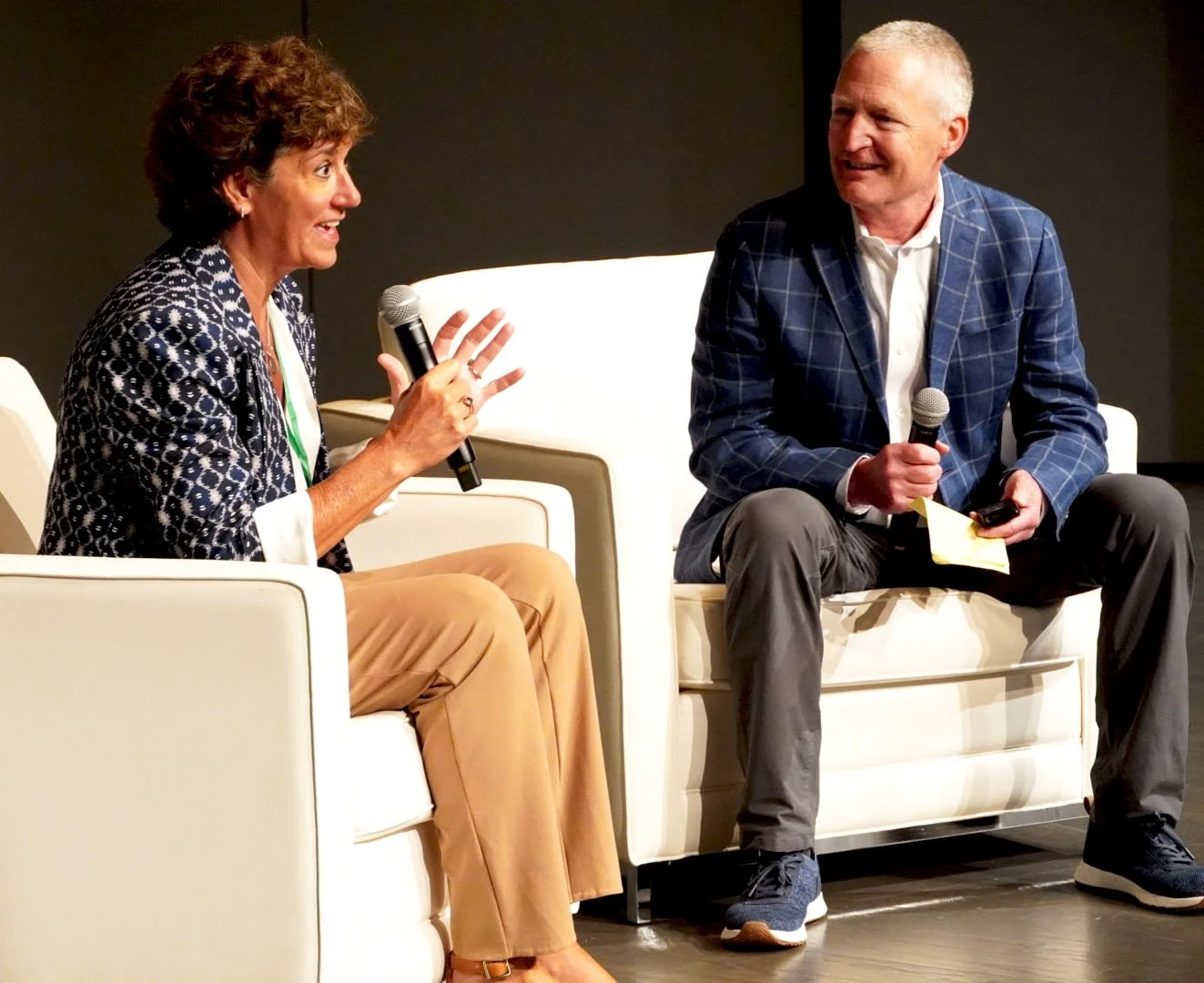
Naturally Chicago’s May 27 Pitch Competition and Innovation Forum featured a lively and informative Fireside Chat between Deb Conklin — president and CEO of KeHE Distributors — and Greg Keller, senior strategists and brands lead for Naturally Chicago. Photo by Bob Benenson
Emerging CPG entrepreneurs who attended Naturally Chicago’s Pitch Competition and Innovation Forum on May 27 got a masterclass in scale, supply chains, and retail reality: a Fireside Chat in which Deb Conklin, President and CEO of KeHE Distributors, sat down with Greg Keller, Naturally Chicago senior strategist and lead of the organization’s Locally Made and mentorship programs.
Deb, an engineer by trade, had previously served as CEO of Reddy Ice (the nation’s largest manufacturer and distribution of packaged ice). She took the helm at KeHE in 2023 following the highly successful tenure of industry legend Brandon Barnholt and has stepped into the massive role seamlessly.
Greg, whose own distinguished CPG career includes a long partnership with Chicago Chef Rick Bayless at Frontera Foods, guided a conversation that stripped away industry jargon to reveal how a $10.5 billion distribution giant is retooling itself to champion small brands.
Here are the key takeaways from their deep dive into the shifting dynamics of the natural and organic market.
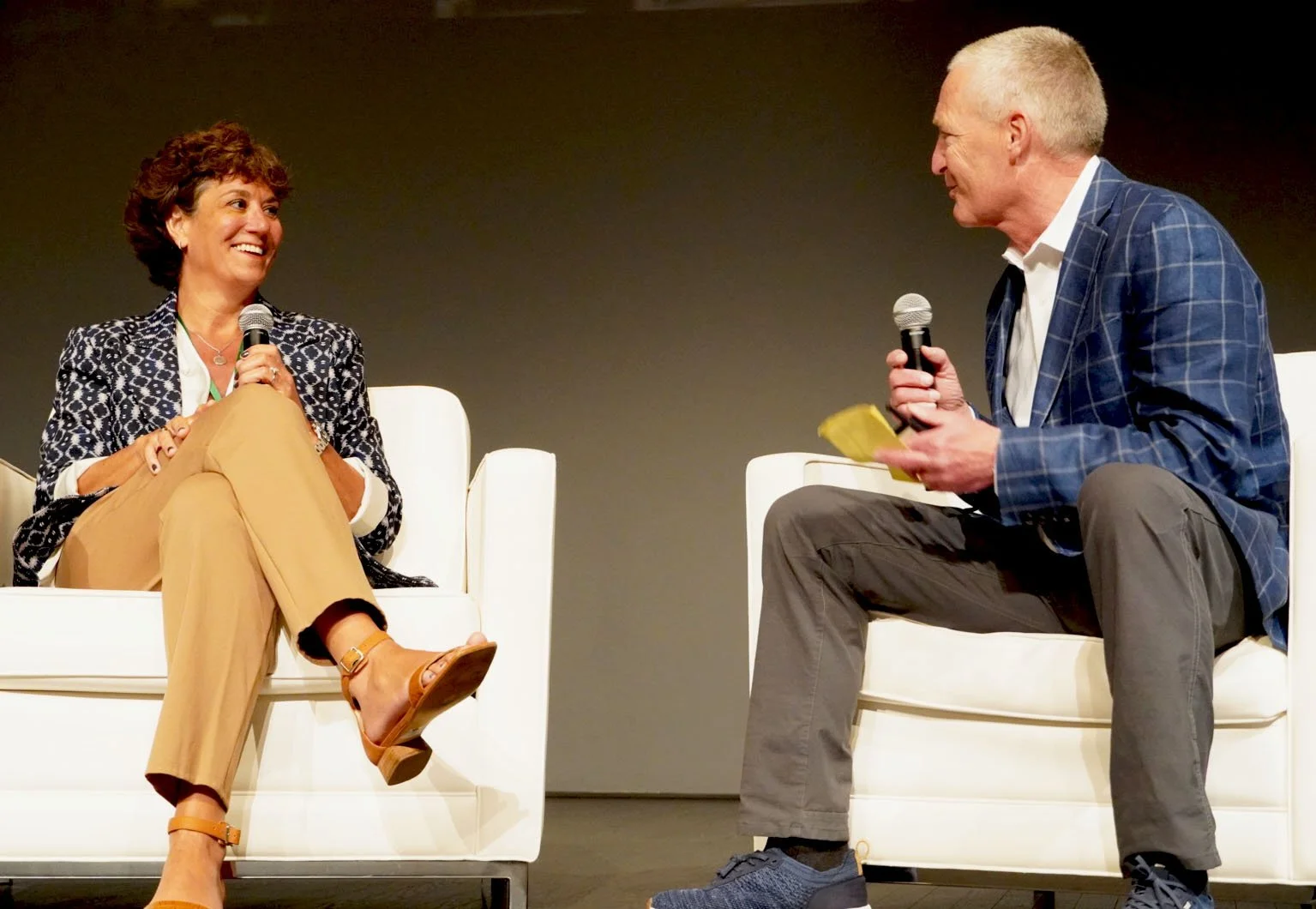
Photo by Bob Benenson
The Resilient Natural Consumer
Despite persistent economic headlines pointing toward "gloom and doom," consumer spending in the natural and organic sectors has defied traditional economic models.
"As an engineer, I would have predicted a recession like five times over the last five years, and I'm personally still shocked there hasn't been one," Deb admitted. Instead, consumer purchasing in this sector has climbed quarter after quarter.
Deb emphasized that the natural, organic, gluten-free, and keto-friendly shopper is fundamentally committed to a lifestyle. Even as consumer confidence dips, these buyers continue to opt into value-driven, wellness-focused products. Rather than abandoning their dietary standards, they choose to cut back on spending in other areas of their lives.
For brands tracking performance, Deb offered a blunt metric reminder: "I only count units; people lie to themselves a lot of times."
Tackling Inflation Through Operational Efficiency
With brands feeling the squeeze of rising supply chain costs, Greg raised the elephant in the room: How can smaller brands survive inflation without pricing themselves out of existence?
Deb explained that KeHE is aggressively working to eliminate costs from the ecosystem rather than just passing them down the line. "We are out there every day hustling to try to take costs out of the system," she said, pointing to initiatives such as aggregating freight rates across multiple brands and tightening inbound transportation to reduce lead times.
However, she reminded the room of the tight financial ecosystem they all share: "We're not a 501c3. We're all working a single-digit margin business, just like our retail [partners]. Nobody around here is printing money."
To navigate these tight margins, Deb urged brands to work intimately with KeHE’s planners and category managers to build rigid, data-backed 13-, 26-, and 52-week inventory roadmaps.
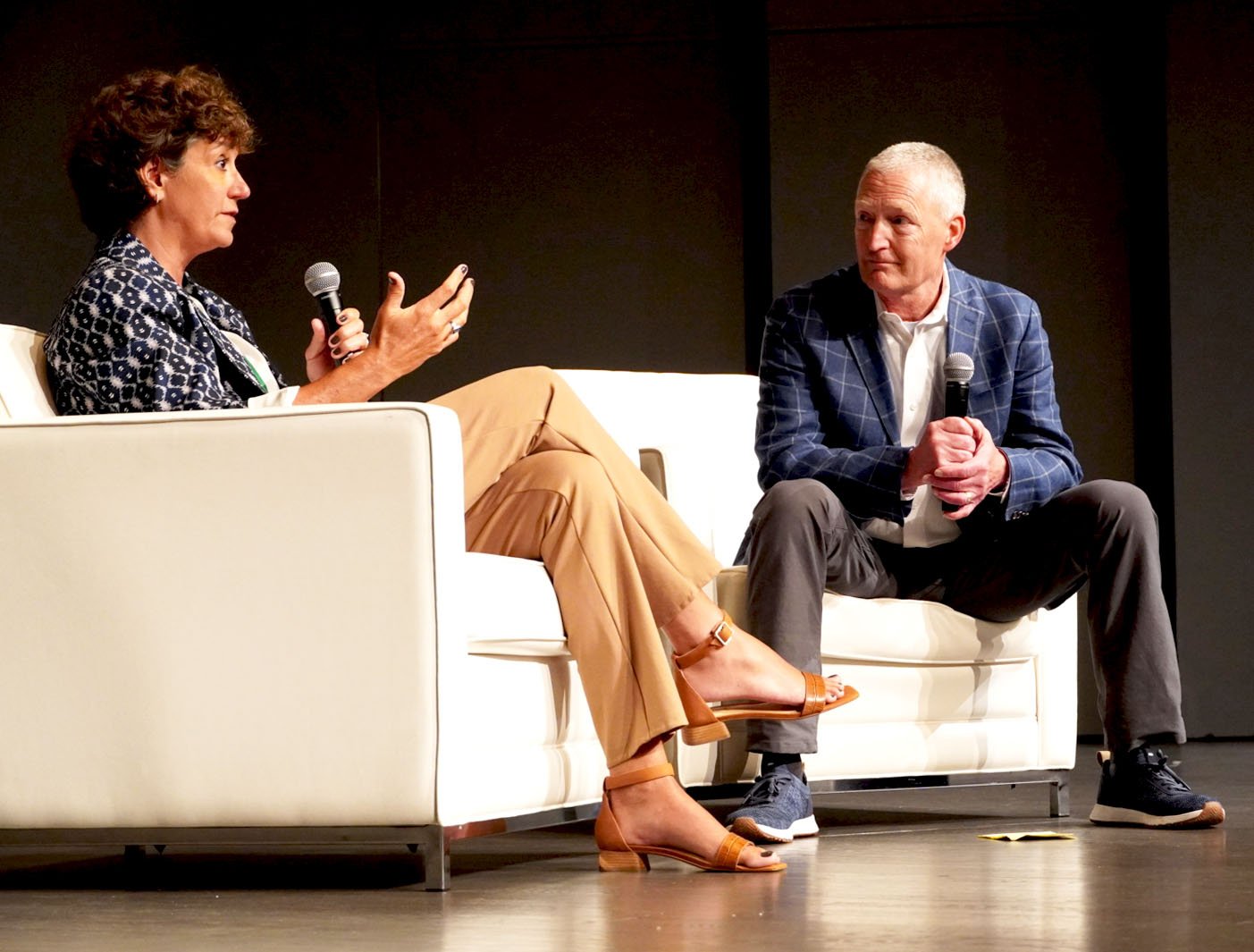
Photo by Bob Benenson
Retooling for Partner Success
Historically, as KeHE grew rapidly from a $1 billion operation to a powerhouse nearing $11 billion, its internal playbook was rigid. Deb playfully paraphrased Henry Ford to describe the legacy mindset: "The KeHE way was the only way... you can have anything you want as long as it's black."
Since taking over as CEO, Deb has shifted the corporate strategy from transactional "vendor" management to intentional "partner success." A massive part of that transition involves lowering the barrier to entry for early-stage brands.
One of Deb's favorite internal initiatives is the New and Small Supplier Administrative Allowance Program (AAP), spearheaded by Katie Paul, KeHE’s vice president of merchandising. KeHE has invested more than $2.5 million over the past year directly into new and emerging brands to fund the foundational backend mechanics required to get them to retail shelves.
Crafting the Right Retail Roadmap
One of the sharpest pieces of advice Deb offered to the room was about retail prioritization. She cautioned young brands against chasing massive, low-cost giants too early.
"When you're a new natural organic brand, and the first place you want to launch is Walmart... you'll probably kiss yourself to death," Deb warned. She explained that a premature Walmart launch can alienate core natural grocers like Sprouts or Whole Foods, who prioritize unique assortments over a race to the bottom on price.
Deb encouraged entrepreneurs to leverage KeHE's internal data to understand the distinct "personas" of different retailers. By understanding what a Sprouts shopper wants versus a Walmart shopper, brands can avoid outkicking their coverage and scale sustainably.
What's Next: Simplifying 'Hard Better'
Reflecting on his own days building Frontera Foods, Greg recalled how vital specialized broker and distributor teams are for keeping products on the shelves 52 weeks a year, especially when competing for space against legacy CPG conglomerates like Campbell Soup.
Looking ahead, Deb noted that KeHE’s core focus for the year boils down to two words: simplifying and standardizing. The larger a distribution network grows, the more predictable it must become.
"For all you entrepreneurs in the room, guess what, it's not going to get easier," Deb concluded. "It's because people like us don't opt for easy. We don't want the easy button. We do the things harder, better, and it is a motivating thing. That's the two things you'll see from us a lot this year, is how we handle hard better."
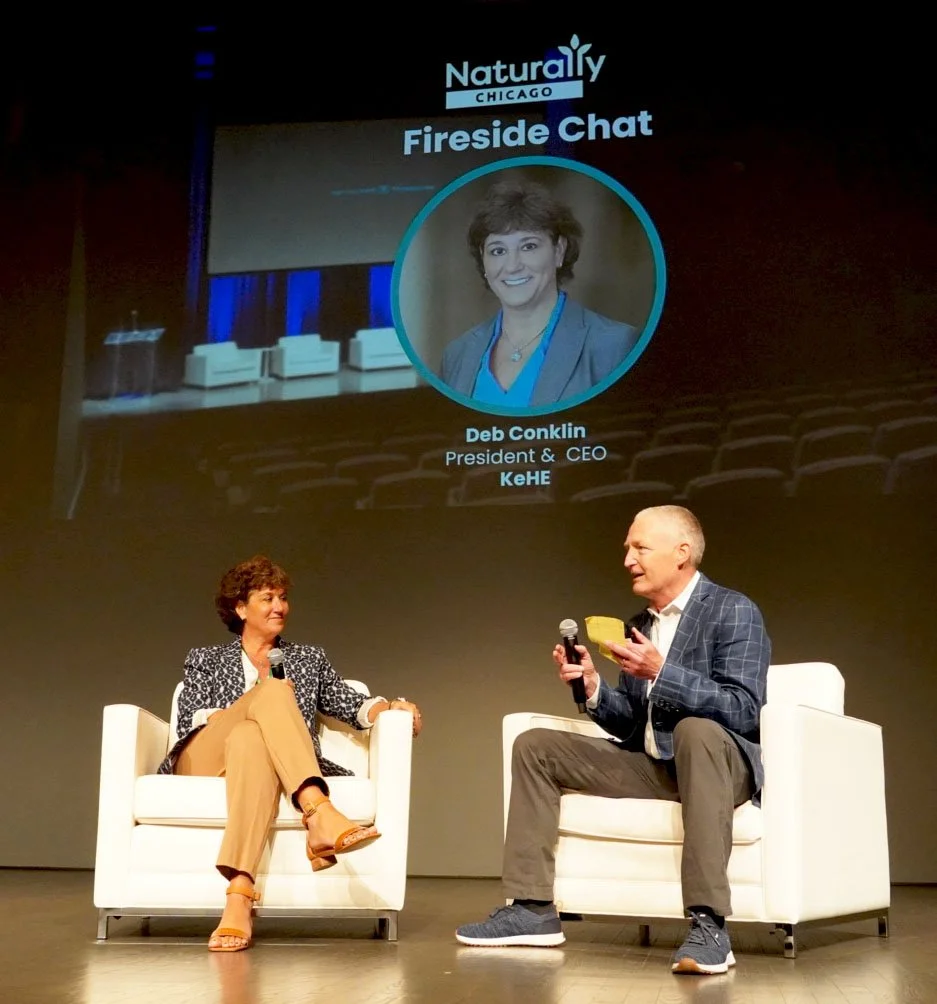
Photo by Bob Benenson