
Retail Panel Recap: Grocery and Specialty Leaders on What it Takes for Brands to Win

The merchandising experts who shared insights on Naturally Chicago’s Retail industry panel at its May 27 Pitch Competition and Innovation Forum (from left): Alyssa Vescio of The Fresh Market, Kim Coffin of Sprouts Farmers Farmers; Patricia Chinander of Love from USA Group; and Katie Paul of KeHE Distributors, who moderated the discussion. Photo by Bob Benenson
The natural and organic products industry is evolving faster than ever, with rising consumer demand turning what used to be premium health, wellness and sustainability differentiators into baseline expectations for retailers.
For emerging brands looking to break into major retail platforms, success requires more than just a clean ingredient panel. It requires a distinct purpose, operational readiness — and a lot of grit.
At Naturally Chicago’s Pitch Competition and Innovation Forum, held May 27 at Venue SIX10 in downtown Chicago, a powerhouse panel of retail leaders converged to discuss the shifting landscape. Titled “Chicago: A Natural Products Retail Hotbed,” the discussion was moderated by Katie Paul, Vice President of Merchandising at KeHE Distributors.
The panel featured:
Kim Coffin, Chief Brand Forager for Sprouts Farmers Market
Alyssa Vescio, Chief Merchandising Officer for The Fresh Market
Patricia Chinander, Founder and CEO of Love from USA Group
Together, they mapped out the changing expectations of today's grocery shoppers and shared critical advice for entrepreneurs aiming to land—and keep—a coveted spot on retail shelves.
The New Baseline: From Organic to Functional
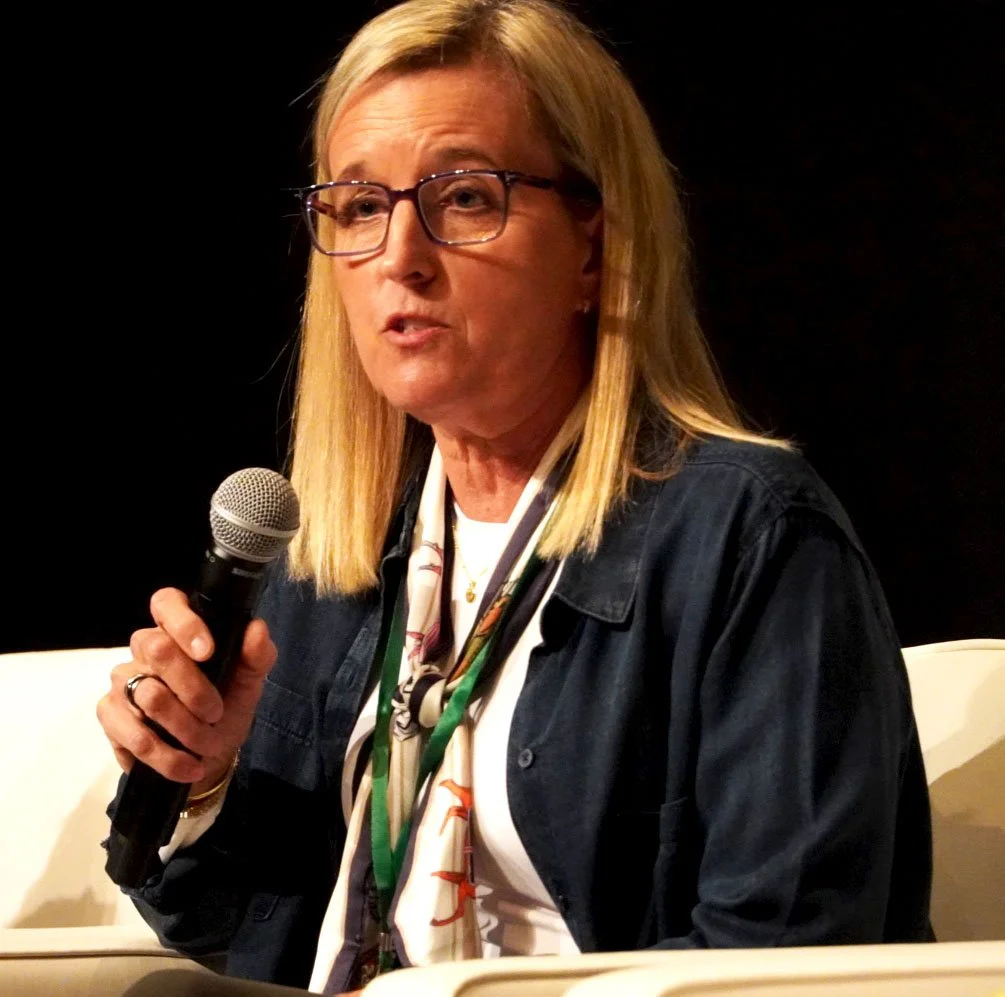
Kim Coffin, chief brand forager for the Sprouts Farmers Market chain. Photo by Bob Benenson
The definition of a natural product is shifting. According to the panelists, standard natural and organic certifications are no longer enough to guarantee consumer attention.
“I think the customer is more educated than ever,” Kim said. “Natural and organic is table stakes, right? It’s quickly become the baseline, and now we’re seeing that it’s super important to continue to add functionality into the foods.”
Kim noted that modern consumers demand simplicity — fewer ingredients overall —coupled with extreme transparency: "Our customers are telling us every day that they want to know where every ingredient is coming from."
This push toward elevated curation is also felt in alternate formats such as airport retail. Patricia — whose company manages grab-and-go spaces in major airports including Chicago O’Hare’s Terminal 5 — explained that travelers are increasingly receptive to natural options as a matter of wellness. Because airport real estate is incredibly limited, natural and gluten-free items have become central to their impulse-buying strategy.

Patricia Chinander, founder and CEO. Photo by Bob Benenson
Value vs. Price: Navigating the Inflation Era

Alyssa Vescio, chief merchandising officer for The Fresh Market. Photo by Bob Benenson
With rising costs stemming from labor, fuel and tariffs, the panelists acknowledged that inflation is a massive hurdle. Yet value sensitivity does not mean brands must race to the bottom on price.
Alyssa emphasized that value is a measure of quality, not just the lowest shelf price.
“Customers have never been more willing to pay for quality that they believe in,” Alyssa said. “If they understand the functional benefits, if they understand the quality of ingredients, if they can see what’s in it for them personally, they’re willing to pay for it.”
Because shelf space is finite, inflation forces retailers to be incredibly thoughtful about curation without compromising on standards. For emerging brands, this means having a laser-sharp point of difference is non-negotiable.
Gaining Your Spot: "Every Item Has to Earn Its Top"
When pitching to category managers, brands frequently make the mistake of relying solely on a good backstory. Alyssa pulled back the curtain on how merchandising decisions are actually made, sharing a phrase she frequently uses with her team: "Every item has to earn its top."
To get picked up by a retailer, a product must deliver three key pillars:
Incremental Value. It must offer something completely different than any other product currently in that category.
Velocity. It has to move from the shelf into customers’ market baskets.
Profitability: It must align with the retailer's margin goals.
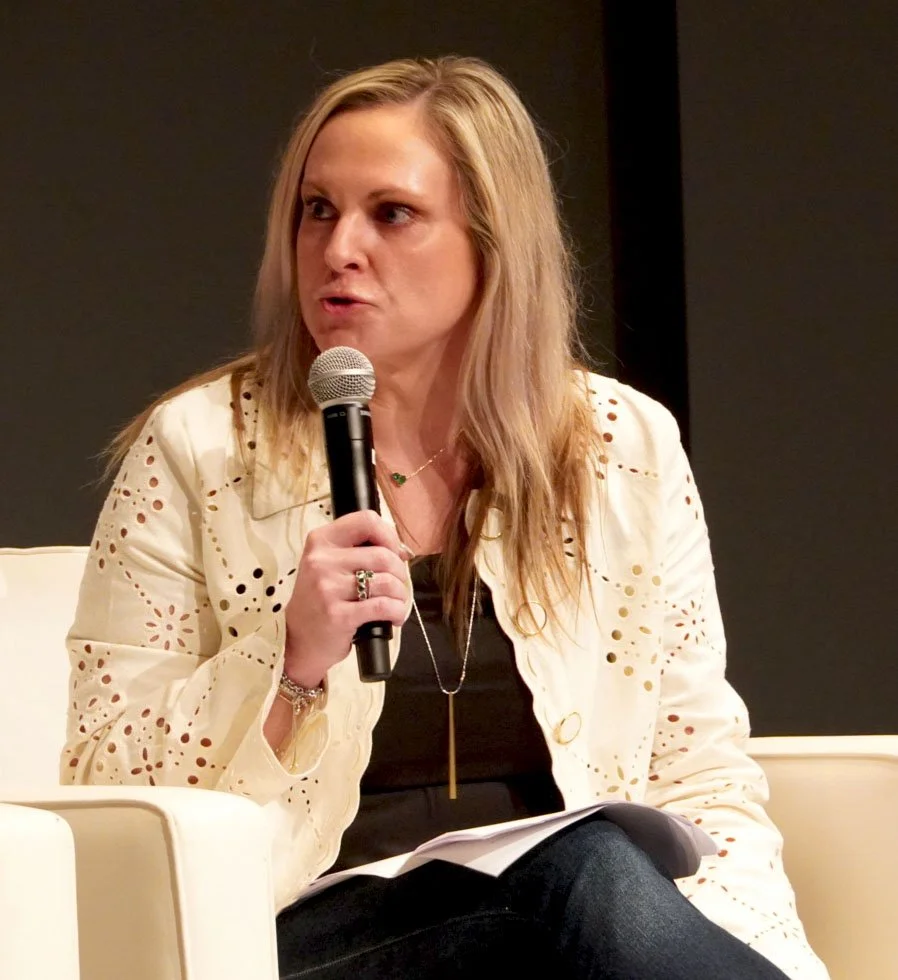
Katie Paul, vice president of merchandising, KeHE Distributors. Photo by Bob Benenson
Katie added that brands shouldn't let a lack of budget for expensive data syndication hold them back from understanding the shelf set. "There's grass-roots research that can be done, and you can pull that data out yourself," Katie noted, advising founders to physically study store shelves to learn competitor pricing, promotional strategies, and positioning.
Patricia echoed this need for basic business readiness, stating that founders must know their numbers inside and out before walking into a meeting. “What’s your cost? What’s your wholesale? What do you want to retail at?”are questions brands must be prepared to answer. She stressed that unique pricing structures are required for high-rent districts such as airports, where Love from USA Group targets a 55 percent gross margin.
Private Label: Threat or Opportunity?
The rise of store-label brands might seem daunting to independent startups, but the panel revealed that private label strategies can actually open doors for co-creation.
Kim explained that customer trust in private labels spiked during the COVID pandemic due to cross-shopping and has remained strong. At Sprouts, private label is highly strategic, but they look to the entrepreneurial community to push boundaries.
"There's opportunities for us to be able to co-create," Kim said, noting that Sprouts is eager to partner with brands that can scale to meet minimums and help them jump on trends quickly to differentiate their stores from competitors.
The Ultimate Advice for Founders: Grit and Partnership
To close out the session, Katie asked the retail executives for their ultimate piece of advice for the entrepreneurs in the room.
For Alyssa, success boils down to a single word: Grit. "None of us have chosen to do easy jobs," she said. "Understand where you're headed, have a plan, stay with it, and have the grit to make it happen."
Kim advised brands to focus heavily on finding the right retail partner early on to nail their metrics before attempting to scale.
"Find a retail partner where you have a shared customer as a target customer, where you can really partner together on doing what it takes to build the brand for success," Kim concluded. "Two entities together are better than separate."