
All-Woman Investor Panel at Our Women in CPG Celebration: Key Takeaways
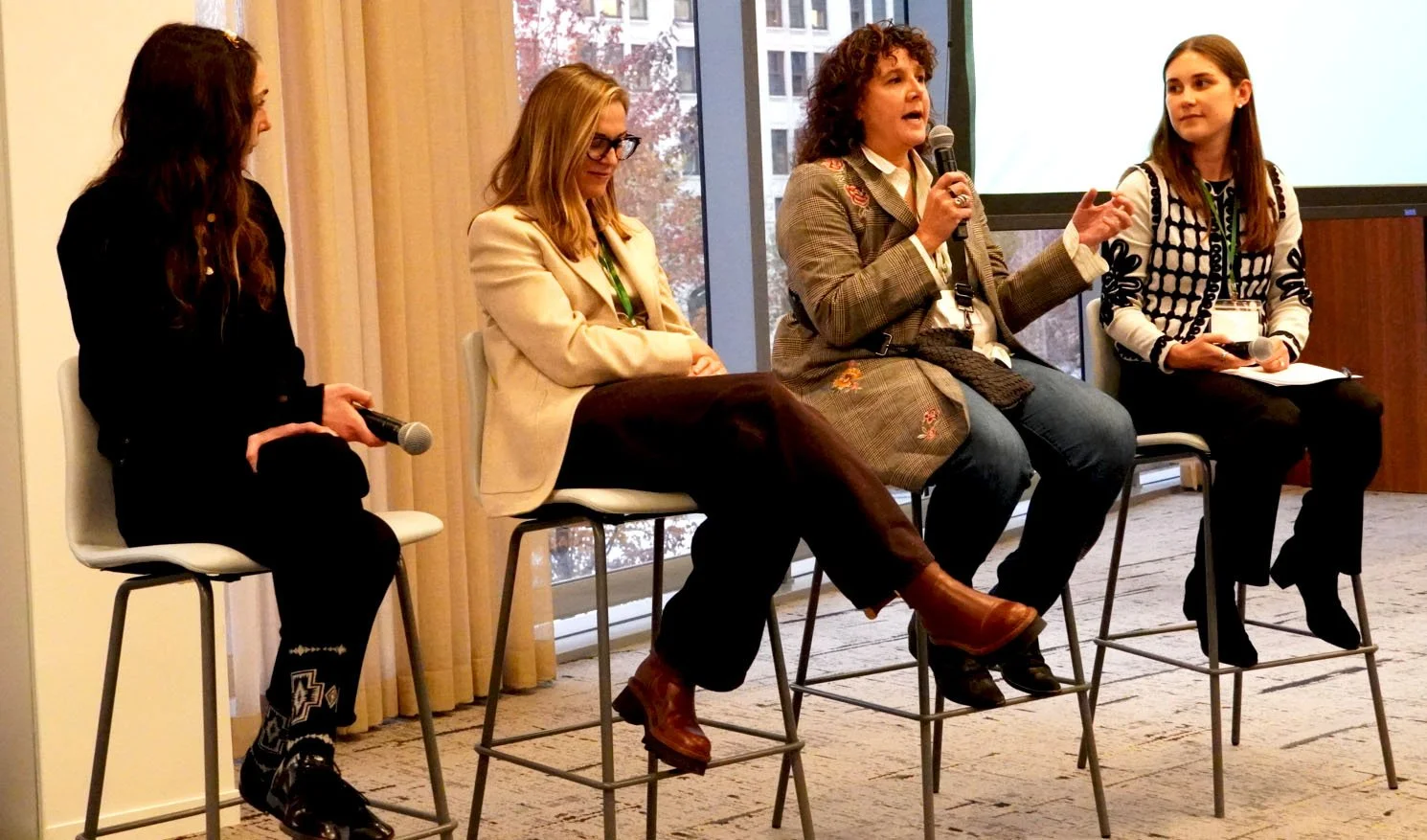
Photo by Bob Benenson
While our Women in CPG Celebration in November may sound like it was a big party, it was actually an insightful afternoon featuring panels of women leaders in the natural products industry.
In this article you’ll get business-business insights from our Financing Female Founders panel. Four women representing different stages of the investment landscape — Mollye Santulli of Springdale Ventures; Laura Luckman Kelber, an angel investor; Cristina Rohr of S2G Investments; and Ashley Hartman of Bluestein Ventures — shared candid observations about the state of the market, what they look for in founders, and how women are rewriting the rules of brand building.
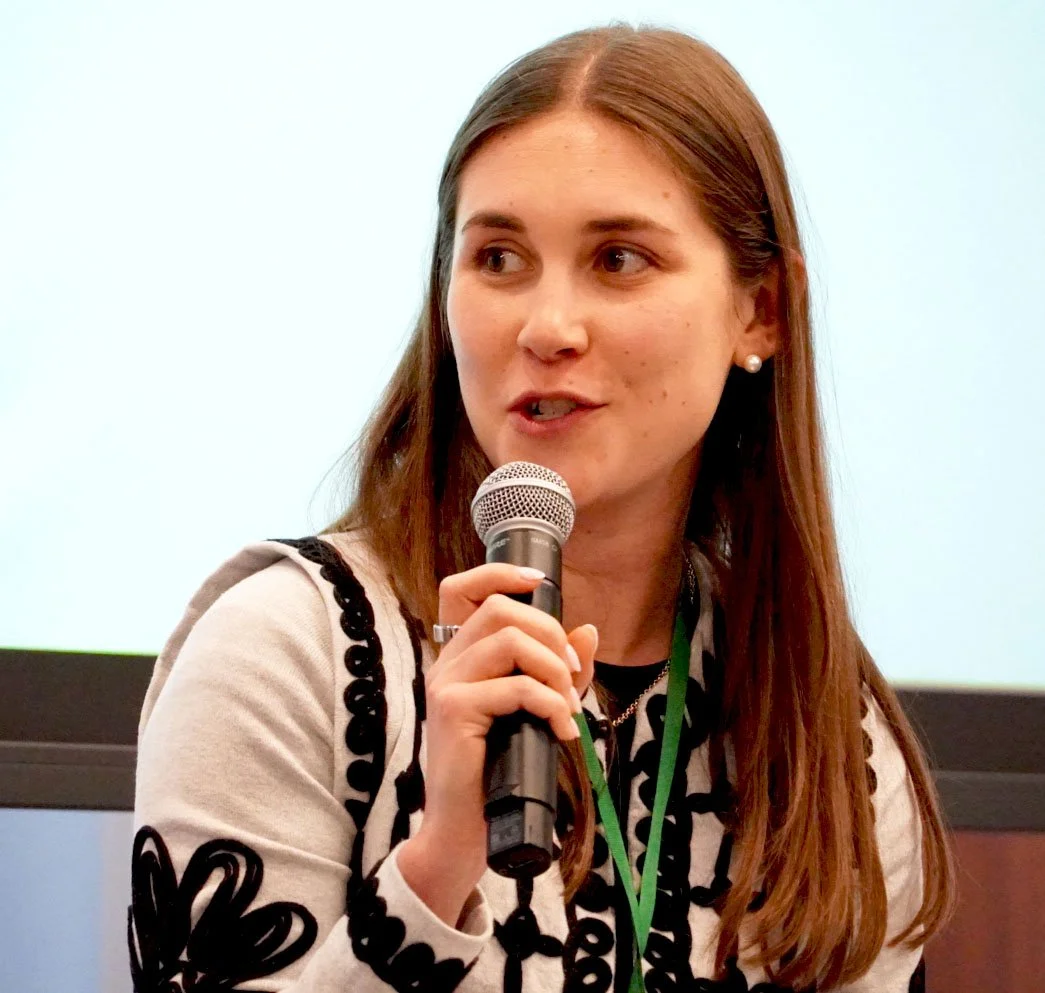
Mollye Santulli of Springdale Ventures moderated the Funding Female Founders panel. Photo by Bob Benenson
Their perspectives form a powerful blueprint for entrepreneurs navigating an increasingly challenging environment. Below are the top insights from the conversation, organized by theme.
This panel followed our Building a Big Brand panel focused on women entrepreneurs. Click the button below to read our recap of that panel.
What It Takes to Scale in Today’s Tight Capital Environment
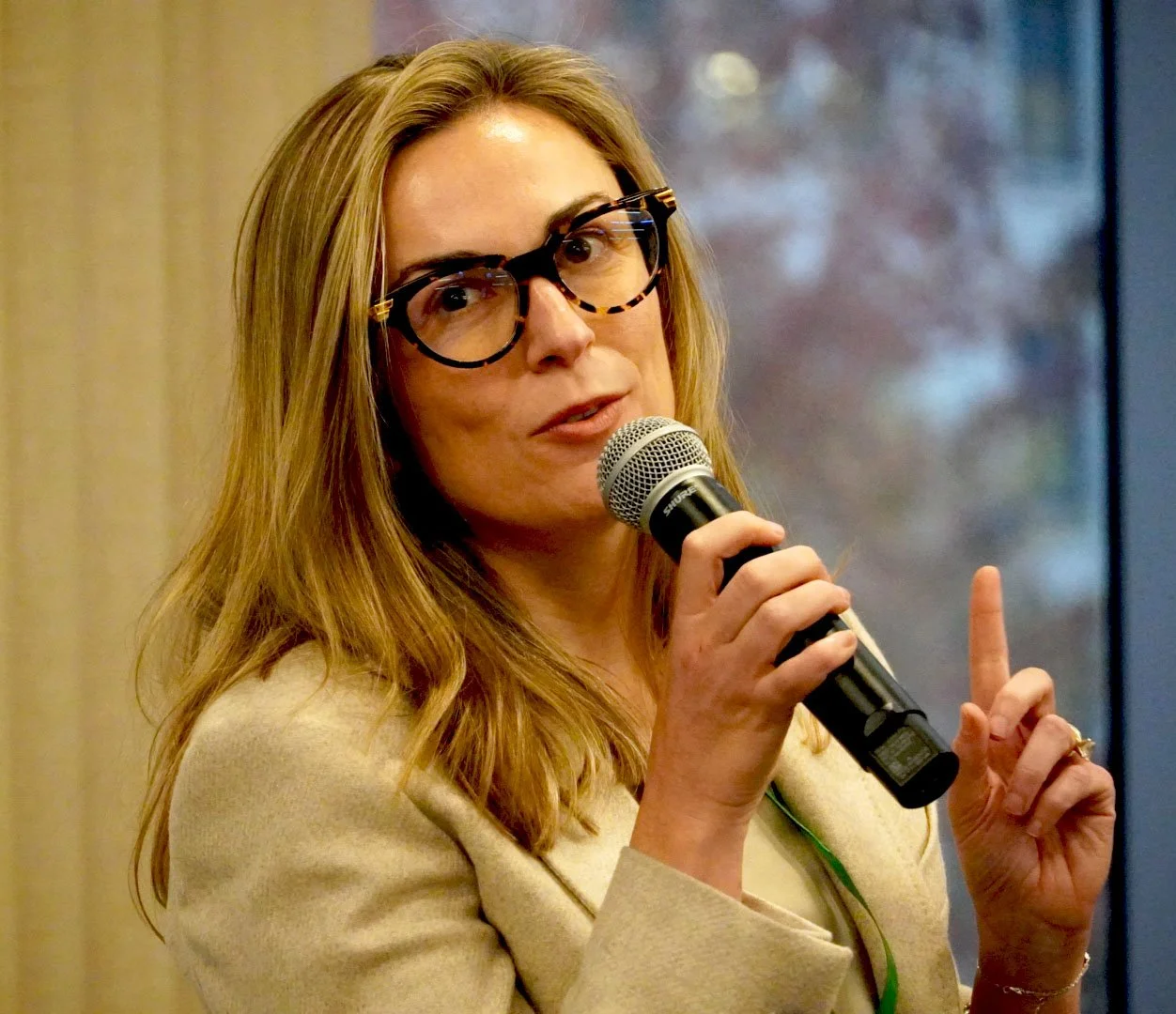
Cristina Rohr of S2G Investments. Photo by Bob Benenson
Growth-stage investor Cristina Rohr emphasized that scaling successfully today requires discipline, alignment and an unshakeable focus on fundamentals. “Understanding your investor’s philosophy—risk profile, return expectations, exit time frame—is extremely important,” she said.
What separates companies that scale from those that don’t?
Investor alignment matters.
Cristina stressed that companies grow faster when founder–investor expectations are in sync from the start.
Financial discipline is no longer optional. With capital currently tight, investors scrutinize:
Velocities
Contribution margins
Unit economics
Capital efficiency
Milestones reached before additional capital is deployed
Realistic valuations reduce future pain.
Inflated early valuations, once common, now create down-rounds and stress later in a company’s trajectory.
The advice for founders: build the relationship early.
Asked how founders should prepare for growth-stage conversations, Cristina encouraged reaching out long before fundraising: “We absolutely recommend building the relationship ahead of time. We’re very willing to share what we’ve learned about certain categories.”
Her message: Investors aren’t just capital — they are market intelligence, pattern recognition and strategic sounding boards.
Macro Shifts Reshaping Consumer Behavior — And How Women Are Leading Them
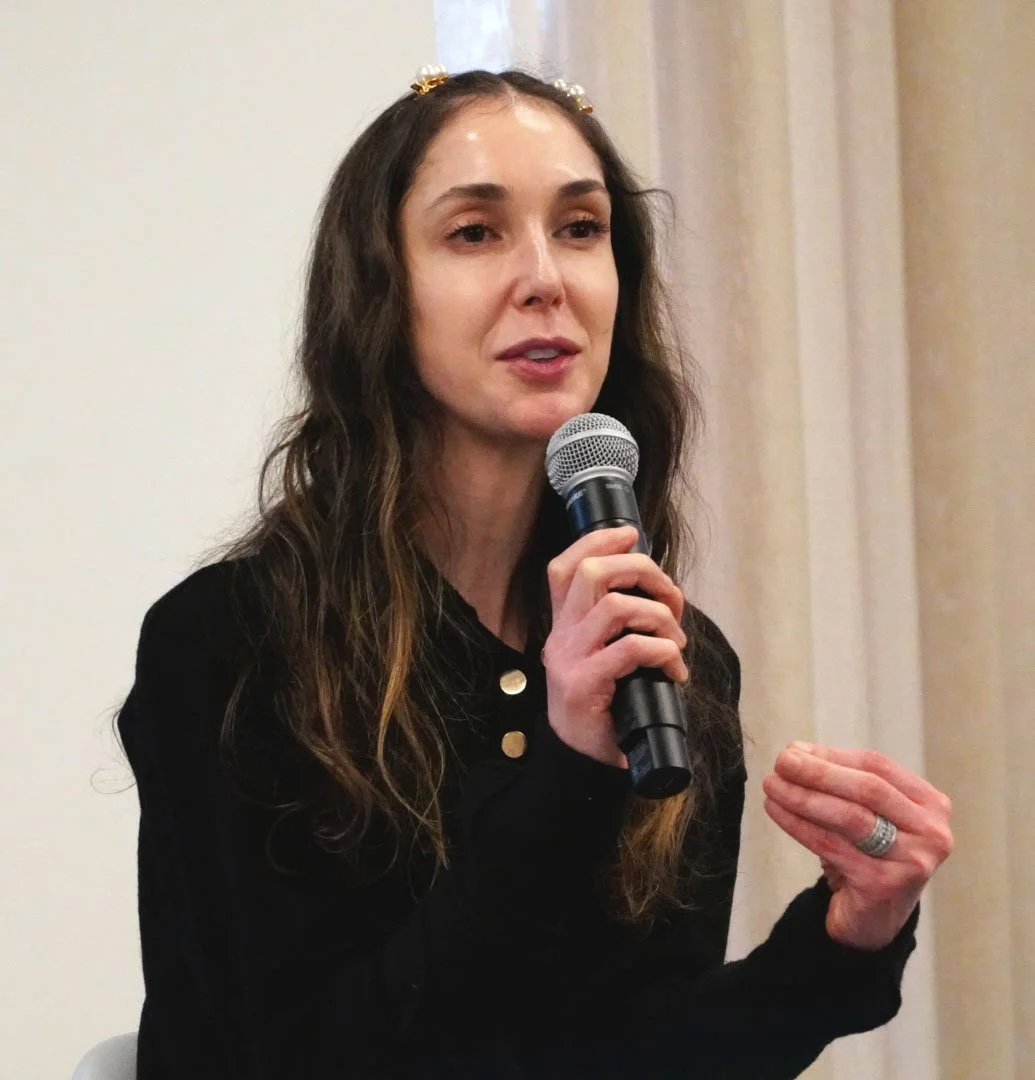
Ashley Hartman of Bluestein Ventures. Photo by Bob Benenson
Early-stage investor Ashley Hartman framed the moment as a generational shift in how consumers understand wellness and identity. Bluestein Ventures invests where “food culture and technology” intersect, and Ashley believes the industry has reached an inflection point.
She highlighted four macro forces:
1. The Cultural Coup (Driven largely by women)
Ashley stated that women are steering the online conversations around food, well-being, identity and taboo topics: “Food is identity. It’s how you communicate your values.”
Platforms such as Instagram and TikTok are amplifying new norms around clean ingredients, hormonal health and lifestyle choices.
2. The Information Paradox
Consumers are inundated with information—some accurate, much not.
“Eat 150g of protein a day.”
“Don’t eat any protein.”
The overload can feel paralyzing, but Ashley views it as empowering: Consumers are more informed, more vocal and more connected.
3. The Metabolic Reset
Modern consumers increasingly track their own biomarkers, shifting from “one-size-fits-all” to radically personal nutrition.
4. AI Everywhere
From personalization to supply chain optimization, AI is already transforming CPG.
Authentic community building is the new distribution.
Ashley shared the example of Millie Moon, a producer of “luxury diapers, training pants and sensitive wipes” that was born on TikTok when its founder documented her struggle with PCOS (post-click optimizations):
“She built a million-follower community just by sharing what she was going through. Her customers asked her to build the product.”
This grass-roots brand creation is a stark contrast to the retailer-led model of the past —and women founders are leading the shift.
Angel Investing: What Sparks Early Conviction
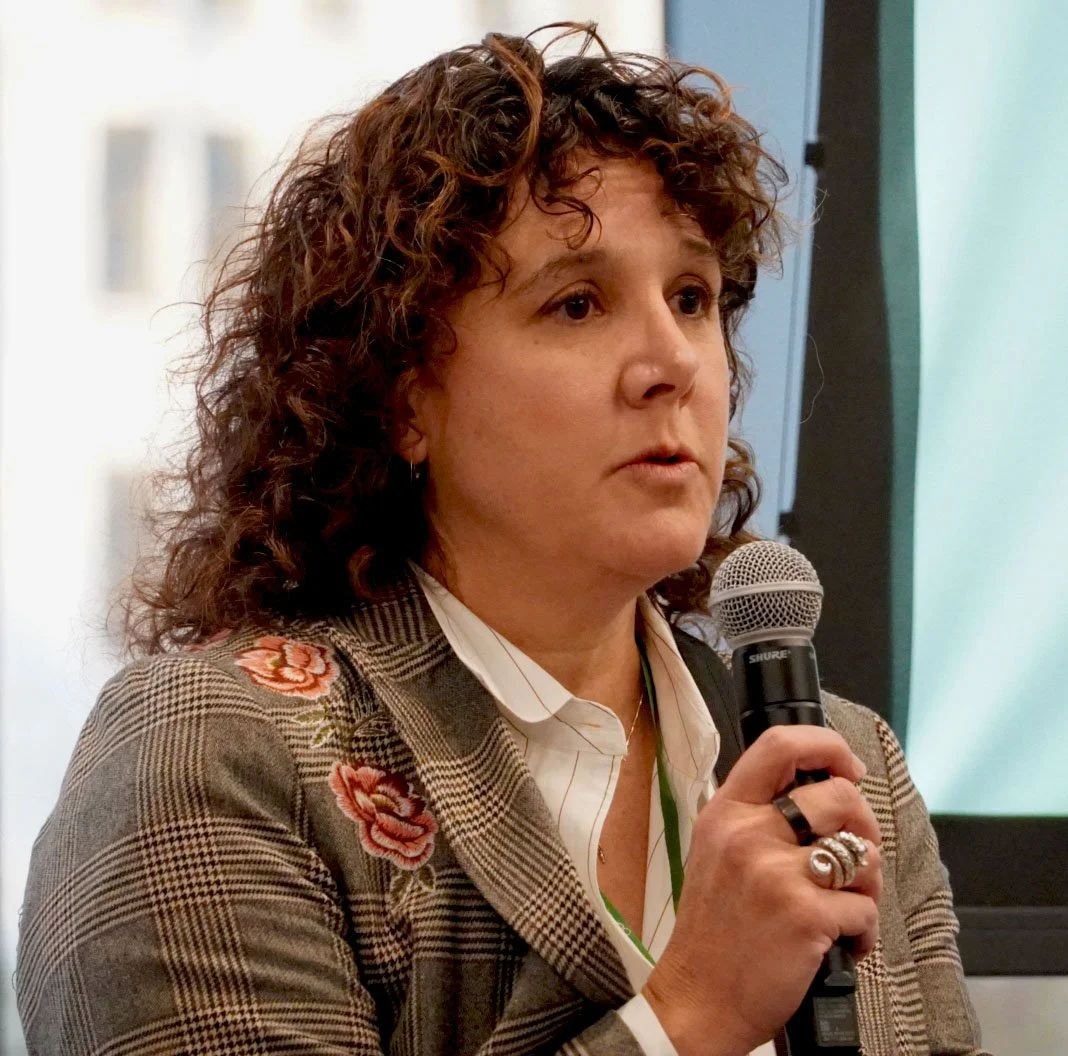
Laura Luckman Kelber, an angel investor. Photo by Bob Benenson
Angel investor Laura Luckman Kelber describes herself as “a fundamentals girl,” and she made it clear that early-stage decisions aren’t only about mission or charisma — they’re about discipline:
“I geek out on business. I think it’s so cool. It’s a powerful way to empower women, because money is power in our society.”
Early on she looks for
Clear goals
Defined time horizons
Understanding of financial basics
margins
break-even timing
realistic budgets
Focus — not chasing every shiny opportunity
Laura warns founders against spreading themselves thin: “If a founder is chasing every ‘yes,’ they can get under water. I learned that the hard way.”
Mission matters — but business fundamentals matter more.
Laura shared admiration for a founder in the room, a veteran entrepreneur:
“She knows her numbers. She knows her ingredients. She knows everything about her business cold.”
This kind of mastery — not pedigree —is what leads an angel investor to say yes.
Start, Stop, Continue: Practical Advice for Founders
When asked what founders should start, stop and continue doing, the panelists shared some of their most actionable guidance.
START
→ Treat investors like partners, not purchasers.
“It’s a two-way street. You’re looking for alignment. Think of it like a marriage.” — Ashley Hartman
→ If an investor passes on your company, ask why.
Mollye Santulli highlighted how valuable this is for refining the fundraising strategy.
→ Build your network intentionally.
Laura Luckman Kelber reframed networking as participating in the “sharing economy” of entrepreneurship.
→ Explore AI for ROI.
Cristina Rohr emphasized that AI tools create efficiencies and should be thoughtfully incorporated.
STOP
→ Don’t treat fundraising like a pure sales process.
Investors aren’t customers — they are long-term partners.
→ Don’t water down your pitch based on every piece of feedback.
“Take in what’s helpful, but not every response needs to be incorporated.” — Ashley Hartman
→ Stop chasing every opportunity or piece of advice.
Laura Luckman Kelber spoke strongly about this:
“Don’t be driven by all the shoulds. It’ll make you crazy. Trust your gut.”
CONTINUE
→ Keep building real communities and supporting other founders.
Mutual referrals help both sides.
→ Stay grounded and resilient, especially in a tough funding climate.
Cristina Rohr encouraged founders: “Don’t stop or get discouraged if there’s a no.”
→ Keep showing up—at events, within networks, in conversations.
Laura Luckman Kelber reminded founders that visibility brings opportunity.
Women-Founded Brands These Investors Love
The panelists enthusiastically highlighted women founders whose work they admire:
From Laura Luckman Kelber
Inspiro Tequila
CharBoys
Local Style
From Ashley Hartman
Millie Moon
From Cristina Rohr
Shiru
Each example underscores the dynamism and creativity women are bringing to the CPG landscape.
Conclusion: A New Era Led by Women
This panel made one thing abundantly clear: Women aren’t just participating in the future of CPG — they’re shaping it.
They are:
Building brands rooted in authenticity and community.
Leveraging digital culture and personal storytelling.
Bringing rigor to operations and fundraising.
Supporting each other through networks, mentorship, and investment.
And they’re transforming the industry from the inside out.
As Mollye Santulli noted at the outset, it’s still rare to have an all-female investor panel —but the energy in the room suggested that may not be the case for long. The next generation of CPG innovation is being built by women who are not only founders and operators, but also capital allocators, community builders, and cultural influencers.