
Experts Brought Clarity to Early-Stage Equity at Naturally Chicago’s Capital Readiness Workshop
Investors and an attorney tell founders to ask first whether they should raise at all, and to get the terms right if they do
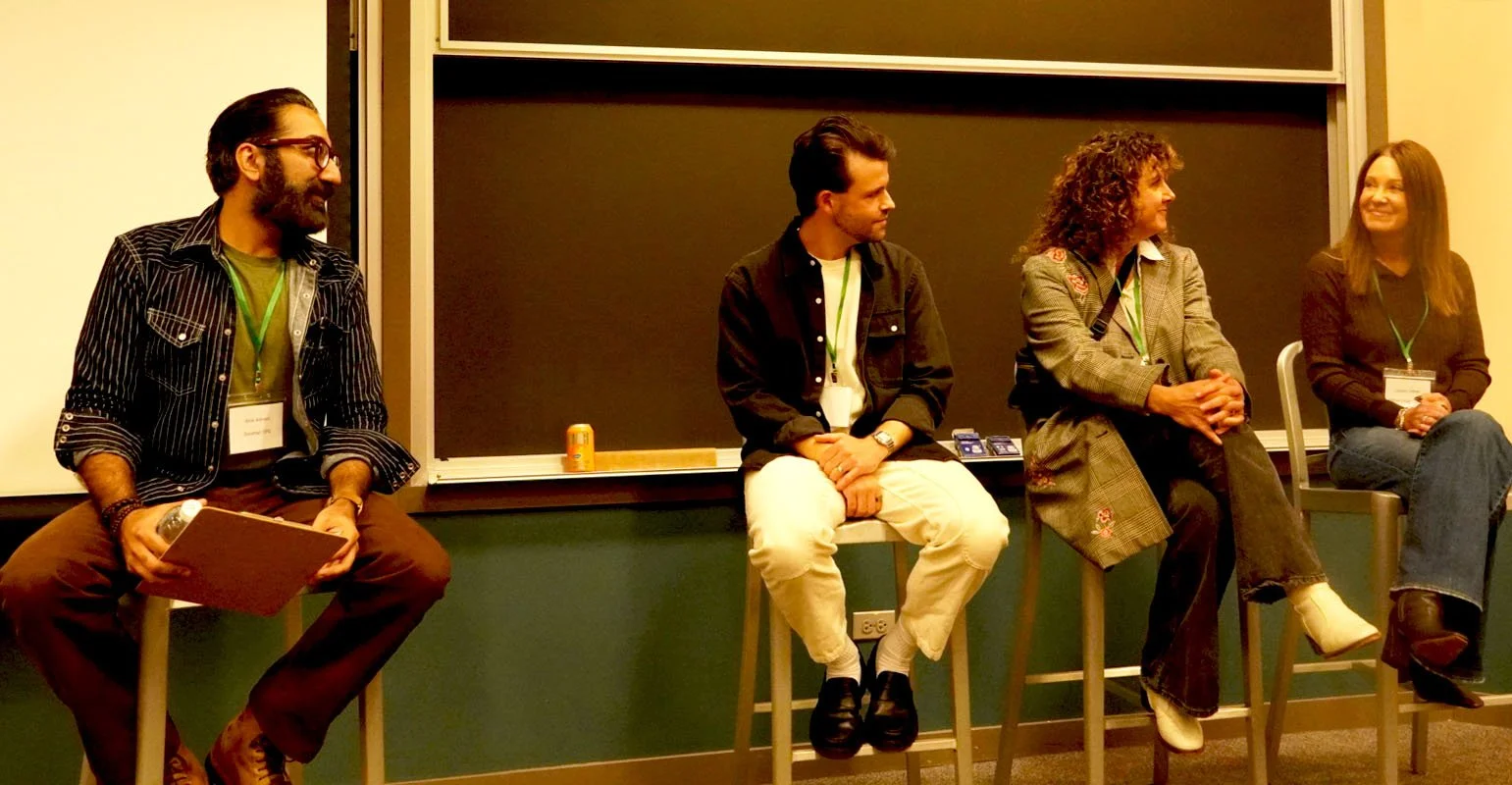
Raising Early-Stage Equity panel at Naturally Chicago’s Capital Readiness Workshop (from left): Alok Advani of Chicago Seed Co. and Dovetail CPG; Michael Krutz of Barrel Ventures; Laura Luckman Kelber of Programate AI; and Leslee Cohen of AllRise Legal Counsel. Photo by Bob Benenson
If you are a food, beverage or natural product entrepreneur considering equity investments, the first crucial question you should ask yourself is whether to raise it at all.
That was a key takeaway from the panel of investors and an attorney that closed Naturally Chicago’s Capital Readiness Workshop. The Oct. 22 event at DePaul University’s downtown Chicago campus launched Naturally Chicago’s three-part CPG Growth series.
The “Raising Early-Stage Equity” session was moderated by Alok Advani, who leads Naturally Chicago’s Chicago Seed Co. investor collaboration and is founder of Dovetail CPG.
The panelists were Leslee Cohen, founder and managing partner of AllRise Legal Counsel; Laura Luckman Kelber, an angel investor and the newly minted co-founder and CEO of Programate AI; and Michael Krutz, a venture capital principal at Barrel Ventures.
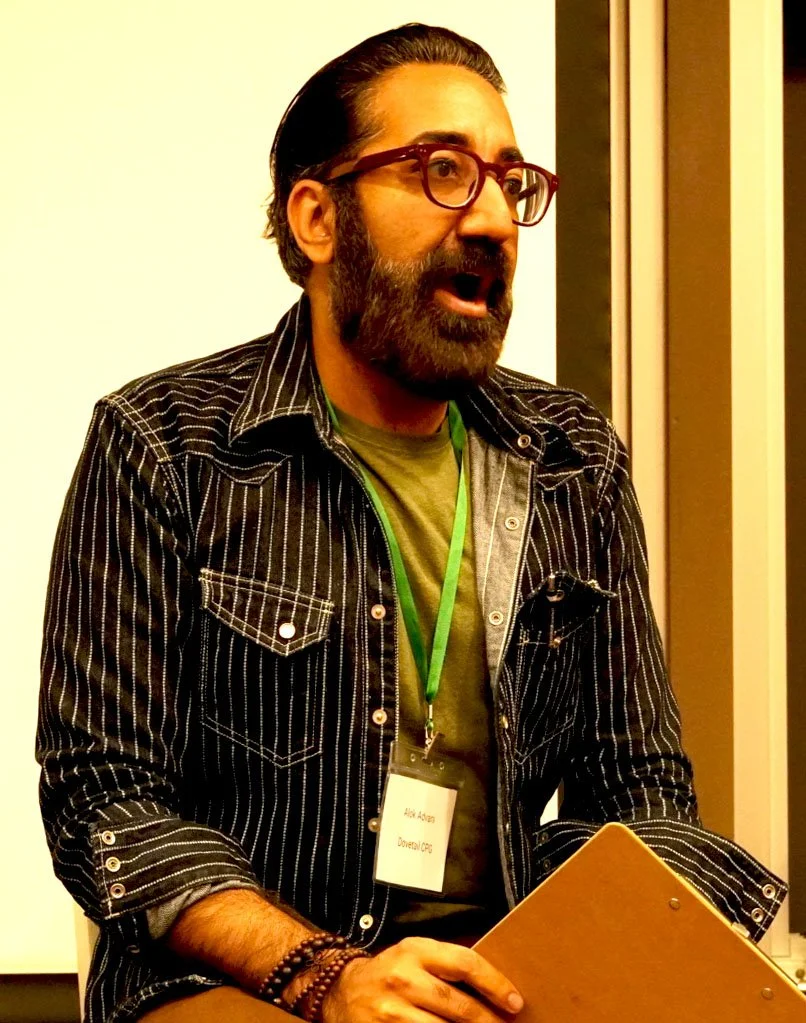
Alok Advani. Photo by Bob Benenson
Alok framed the discussion around four questions: whether to raise, what makes a founder “backable,” which terms to set, and how to align incentives. “Who wins if I win?” he said, calling that the question founders must answer when raising equity.
Alok spent 20 years at companies including Kraft, Anheuser-Busch and Conagra before joining the struggling SuckerPunch Gourmet brand — which he helped turn around — and then launching Dovetail CPG. He noted that he knows firsthand what it is like to run a sub-scale, unprofitable business while trying to convince someone to invest in it.
Start with the Exit
If you are in the early stages of building your business, the idea of a successful exit may seem far off on the horizon.
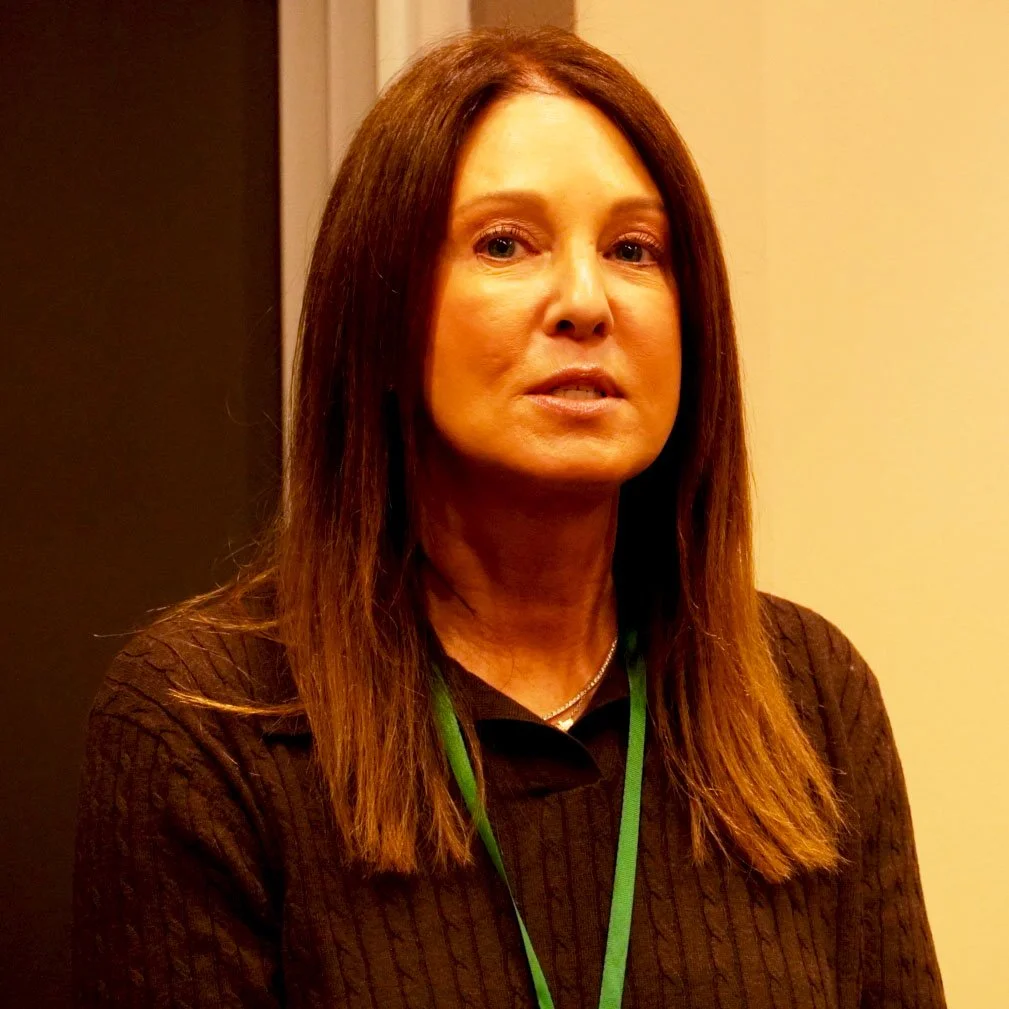
Leslee Cohen. Photo by Bob Benenson
But Leslee, whose firm represents founders from seed through exit, said her first question to any new client is about their exit strategy. She said that’s because equity fundraising makes sense for those aiming to build a national brand to sell or take public.
For founders who want to build a business to fund their lifestyle or pass to heirs, she questioned whether raising equity is worth it. She suggested bootstrapping, debt financing once a company qualifies, or a small friends-and-family round.
Equity fundraising “is very time consuming,” she said. “It takes over your life. You get a ton of no’s.”
Laura said she is bootstrapping Programate AI for now, with plans to raise in six months to a year as the AI market evolves. She noted that managing investors is “a big part of your job,” drawing on her experience preparing for boards at a private equity-backed software company.
Michael said that once a company takes money from a venture fund, “you’re really just starting the shot clock” on an exit. Funds, he said, must report to and return capital to their own investors.
What Makes a Company Backable

Michael Krutz. Photo by Bob Benenson
Michael — whose Chicago fund invests in early-stage food, beverage and consumer companies with checks averaging $250,000 to about $1 million — said the metrics depend on the channel.
For brands in smaller retail channels such as specialty grocers, he looks for sales velocities at or above category average, because those figures tend to fall as brands move into mass retailers. For e-commerce brands, he said, the key is repeat purchasing over three, six and nine months.
Leslee said it comes down to the founder. Those with deep industry experience, from companies like Kraft or Pepsi, have the easiest path, she said, and founders without it must educate themselves thoroughly.
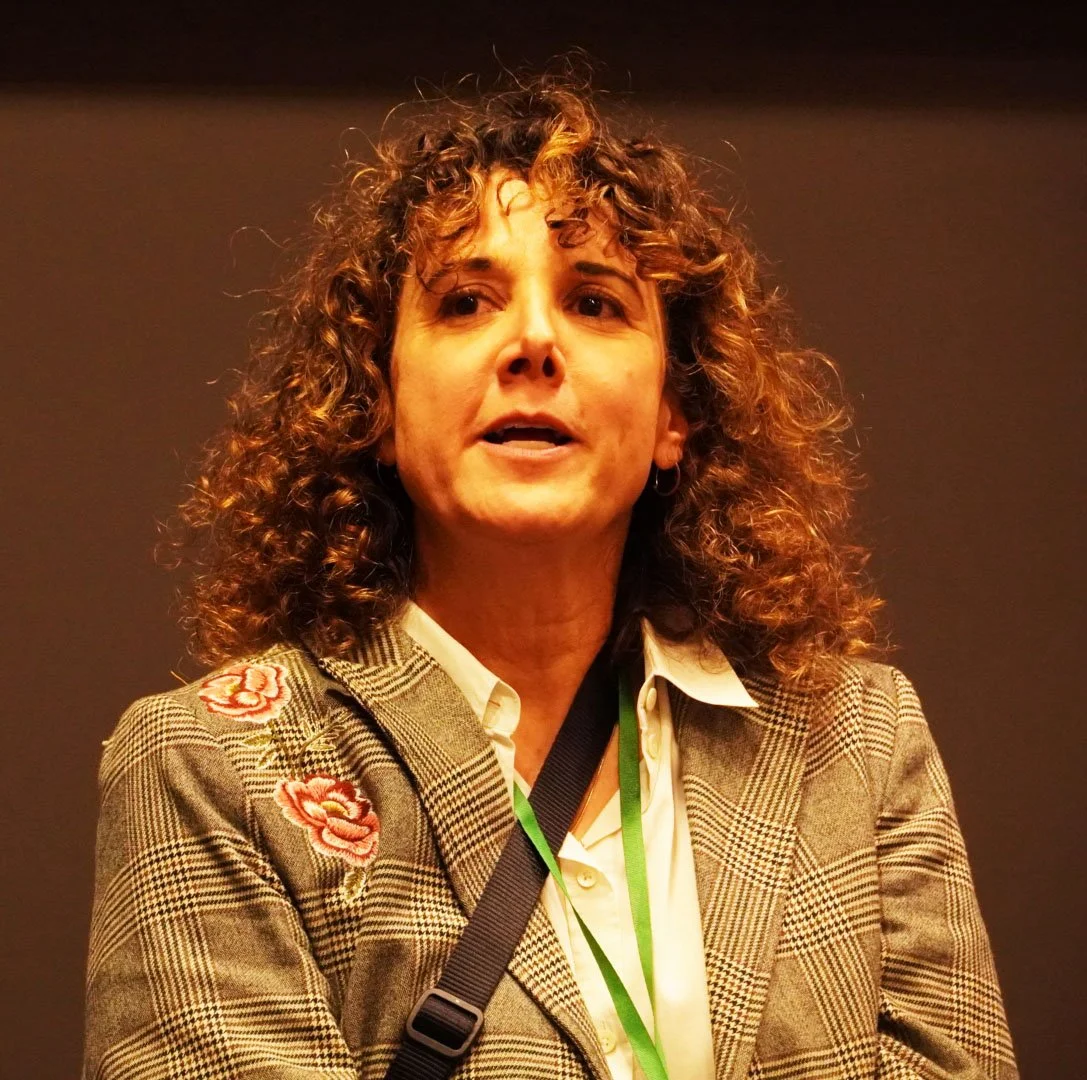
Laura Luckman Kelber. Photo by Bob Benenson
Laura offered a candid look at her own angel investing. She said her mindset differed when she backed a breast pump company, where she evaluated differentiation and patents, and a pancake mix company, where she was drawn to the founder’s optimism and grit. “What I didn’t interrogate enough were the financials, and shame on me because I came from PE,” she said.
Alok urged founders to remember that investors are human, and that story and emotion matter alongside metrics. Michael added that founders should ask whether a fund is actively deploying capital, so they don’t waste time with one that is still raising its own pool of money.
Terms That Follow You
On terms, Leslee warned that founders often download a Simple Agreement for Future Equity, or SAFE, from the Y Combinator website, fill in the valuation cap and give it to friends-and-family investors. But a SAFE is a security, she said, subject to federal and state securities laws, including anti-fraud provisions that require disclosure of what a reasonable investor would want to know.
For unsophisticated investors, she advised providing a set of risk factors and a subscription agreement, which she said shouldn’t cost more than $2,500 and can protect founders from later lawsuits.
Michael cautioned against over-optimizing for a high valuation. Setting it too high at the seed stage, he said, can leave later investors unable to reach their ownership targets, making a company effectively uninvestable at Series A or B. He said valuations have become more pragmatic over the past 18 months, compared with 2020 through the first half of 2022.
Laura said fundraising is fundamentally a sales job, and that founders underestimate how big their top-of-funnel needs to be. She advised treating it as a disciplined daily priority, such as devoting the first two hours of each morning to it.
Aligning Incentives
Michael described Barrel’s investment in Ultra Patches, a nicotine-free energy patch company whose first product is a focus pouch containing a caffeine metabolite. He said the company, which is direct-to-consumer, started last April, did close to $12 million in sales within a few months and is on track for more than $100 million this year. Barrel is now helping it consider retail channels, beginning with convenience stores.
Leslee cited Maazaa, a chutney brand founded by two sisters from Afghanistan using their mother’s recipe. Although the founders initially couldn’t afford AllRise’s services, she said she discounted her fees because of their willingness to get educated and do things right from day one. They also hired an accountant early, she noted.
Leslee also highlighted qualified small business stock, which she said can allow up to $15 million in gains to be tax-free for stock in a C corporation held three to five years. Michael asked whether she advises founders to do priced rounds earlier rather than continuing with SAFEs to start that clock. “If they can, for sure,” she said.
She added that lawyers look for contract risks that could deter a future buyer, such as a top customer who can terminate on 30 days’ notice.
Asked what she wants from an investor beyond a check, Laura said she seeks someone who enjoys the journey of building a business, brings relevant expertise (“I am a CMO playing CFO on TV,” she said), and is willing to listen and collaborate.