
Red-Jacketed Success and Reality Checks: KeHE CEO Deb Conklin Talks Inflation, Tech, and True Partnerships with Style at 2026 Holiday Show

Photos by Bob Benenson
Stepping onto the stage at McCormick Place in a vibrant red blazer, KeHE Distributors President and CEO Deb Conklin kicked off the company’s annual two-day Holiday Show (June 10-11) with a mix of high-stakes industry insights, seamless extemporaneous engagement and effortless, charismatic humor.
Acknowledging the seasonal confusion of hosting a buying event for the end-of-year holidays in the middle of June, she joked about her attire:
"This red jacket doesn't make you think holiday, I don't know what will... I got the short haircut ready for summer, and I'm tan, but I got the red jacket on, and it was a lot of confusion I'm creating."
But beyond the festive wardrobe and lighthearted asides, Deb delivered a grounded, forward-looking "state of the union" address for the food industry in general and KeHE in particular. Speaking to an audience of founders, suppliers, retailers and brokers, she outlined how macroeconomic pressures, radical shifts in consumer wellness and generational habits, and long-overdue technological overhauls are redefining the grocery supply chain.
Here are the key takeaways from her address.
1. Macroeconomics: Navigating the 30% Food Inflation Reality

The grocery industry continues to bear the heavy weight of recent economic disruptions. Deb highlighted a sobering statistic: Since 2019, food prices have skyrocketed by more than 30%, driven by relentless inflation and unprecedented volatility in fuel costs.
While current wages are technically outpacing inflation — leaving consumers with "just a wee bit more in their wallets" — overall consumer confidence rests at historic lows. Consumers are actively pivoting to private labels, switching to less expensive brands, and buying strictly on promotion.
Deb challenged the room to collectively strip unnecessary costs out of the supply chain to keep food accessible. She also warned attendees to keep a close eye on the volatile trucking and freight sectors, noting that market fluctuations in freight supply and demand heavily dictate grocery distribution costs.
2. The GLP-1 Effect and a 39% Dairy-Free Gen Z
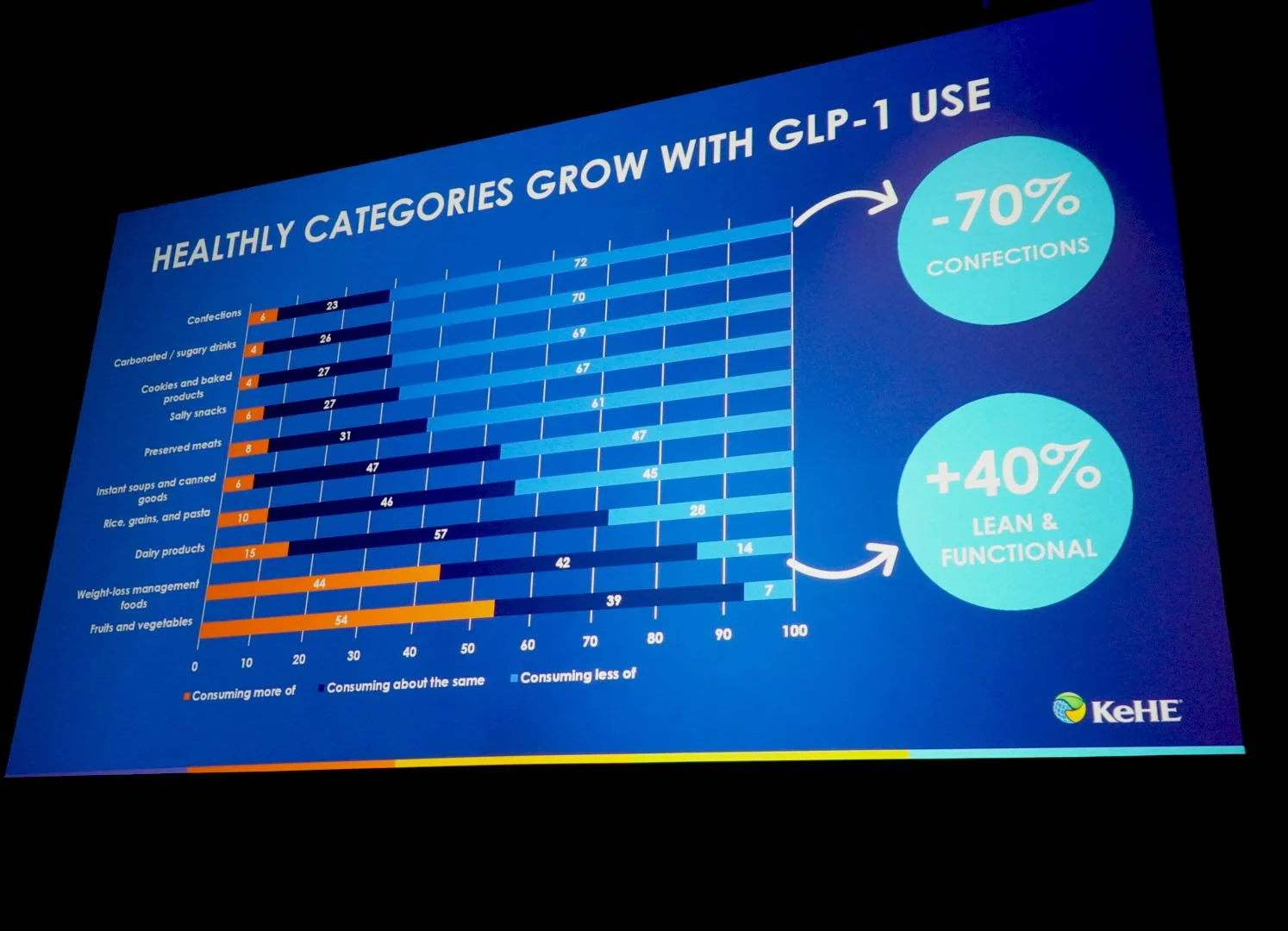
Consumer health requirements are shifting under the influence of medical breakthroughs and generational shifts:
The Weight-Loss Drug Disruption: Deb asked the room how many knew someone on a GLP-1 medication, triggering a massive show of hands. With Morgan Stanley projecting up to 55 million users by the decade's end, the behavioral impact is profound. "People are snacking less, they're drinking less alcohol, they're going to restaurants less," Deb noted. However, she views this as an incredible opportunity for the natural and organic sector, as consumers require protein-dense, fiber-rich, and healthy "better-for-you" foods to sustain their lifestyles.
The Generational Shift in Allergies: In one of her most memorable, self-deprecating moments, Deb expressed shock over data showing that 39% of Gen Z consumers claim to be dairy-free.
"I was staggered by that volume," she laughed, "specifically as an Italian, where cheese is a primary food group for me. It's got its own place on the pyramid; it says 'cheese for Deb.'"
3. AI and the Grocery Store Paradox
Addressing the rise of Artificial Intelligence, Deb pointed out an ironic contradiction in consumer behavior: nearly 30% of shoppers do not trust an AI agent to choose their groceries, yet that exact same group eagerly trusts AI to hunt down the best prices.
Furthermore, 47% of people genuinely "like or love" physically going to the grocery store. Because grocery shopping is deeply emotional and experiential, Deb expects the future to be a hybrid model where AI handles price optimization behind the scenes while retailers focus heavily on in-store innovation to win consumer trials.
4. Forging "Win-Win" Partnerships
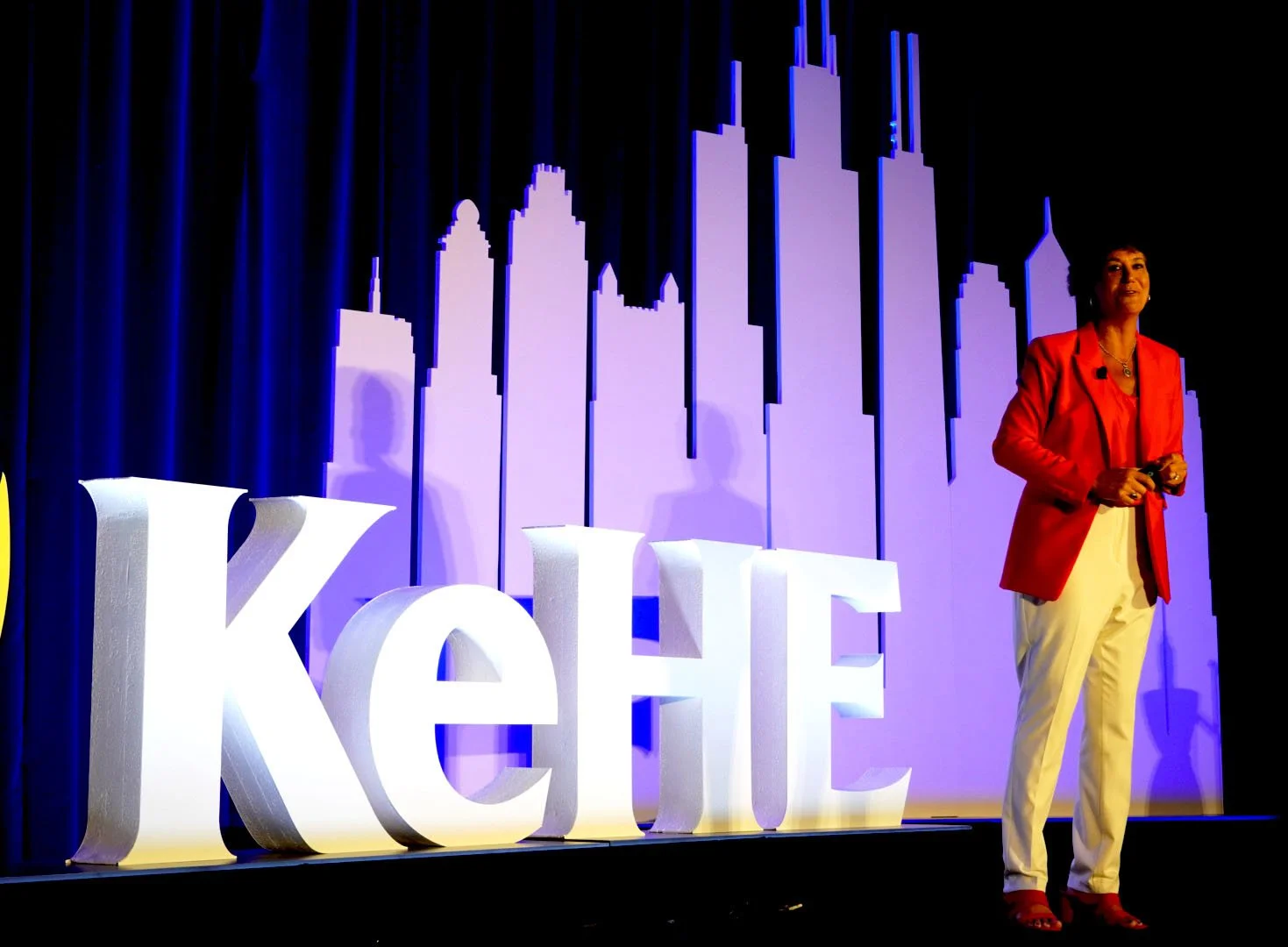
A massive portion of the address focused on KeHE’s internal mission to become "easy to do business with." Deb rejected transactional industry terms, stating flatly:
"I refuse to say 'vendors.' 'Vendors' is a transaction. This is a partnership. This thing doesn't work if we're not looking for win-win situations. If this is a win-lose situation, we fail."
To back up this philosophy, KeHE has implemented sweeping operational upgrades:
G10 and ASN Compliance: Moving past 90% compliance ensures that scanning a carton identifies its exact contents rather than just the rack it sits on, vastly reducing misshipped items.
Ditching the 80s: KeHE eliminated nearly 700 disparate Access databases to streamline dispute tickets and create a single source of truth. Deb noted with a grin that while she used similar scanning technology in the 1990s when running a tool division for Stanley, "food has just been lagging and catching up."
Retailer Simplification: Instead of calling busy single-store independent operators five times a day to collect payments, KeHE launched a self-pay portal allowing owners to manage bills alongside their morning coffee at 6 a.m.
Looking Ahead
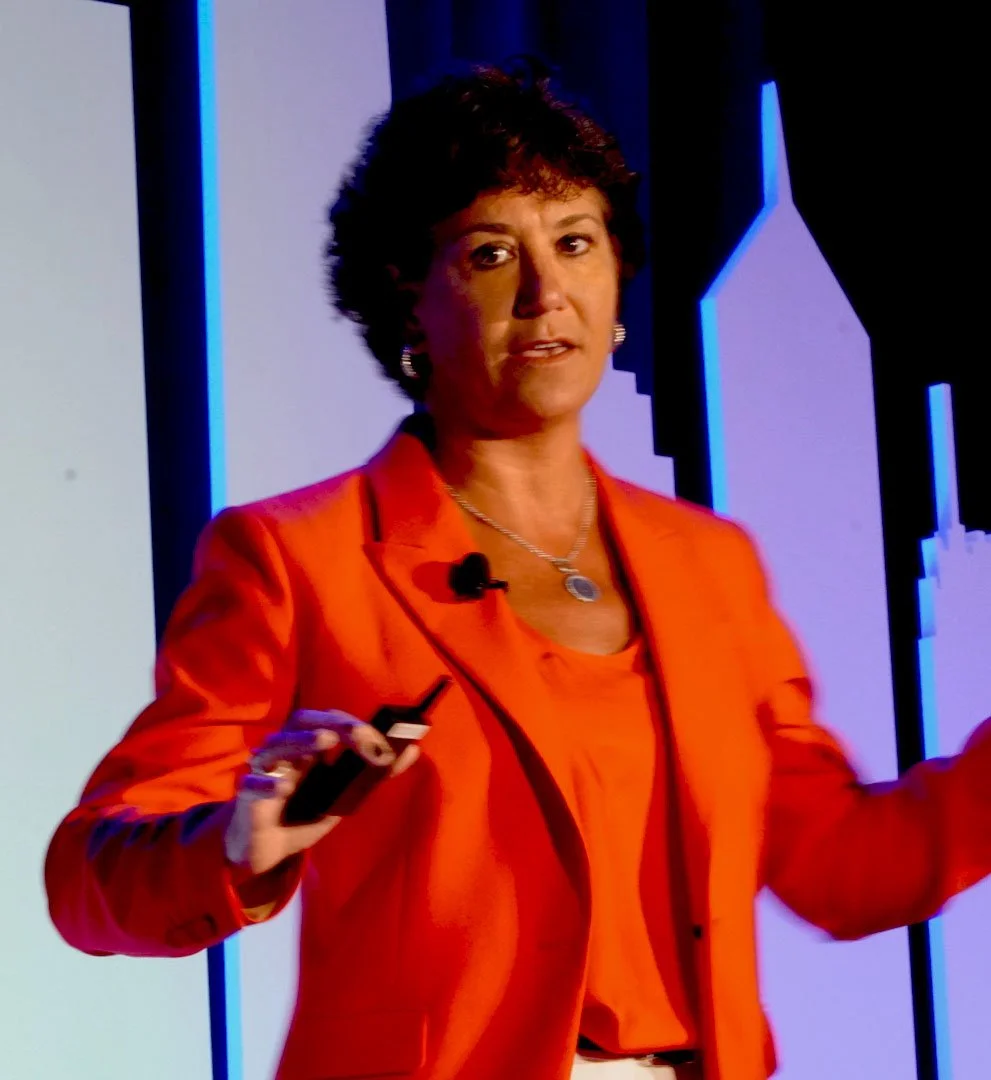
Deb closed by teasing massive backend upgrades to order and warehouse management systems, alongside a game-changing predictive tool that merges sales inventory operations planning with promotional forecasting.
While admitting that moving a company the size of KeHE can sometimes feel like "moving the Titanic," Deb emphasized that feedback from partners is treated as a gift. The goal isn't just to compete, but to ensure that retailers, brokers, and suppliers consistently prefer to do business with KeHE.
For More Insights
Deb Conklin’s KeHE Show address followed closely after her participation in a Fireside Chat with Naturally Chicago’s Greg Keller at our May 27 Pitch Competition and Innovation Forum. Click the button below to read our recap of that discussion.